

Saint Joan Summary of George Bernard Shaw's Book
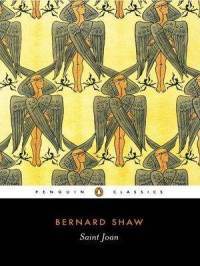
Title: Saint Joan
Published: 1923
Table of Contents
Saint Joan by George Bernard Shaw: A Comprehensive Book Summary
George Bernard Shaw's play, Saint Joan, published in 1923, is a captivating exploration of the life and trial of Joan of Arc. This play is one of Shaw's most renowned works and showcases his mastery in blending history, drama, and powerful dialogue. Set in 15th-century France, the play revolves around the character of Joan, a young peasant girl who claims to hear the divine voices of saints and is called to lead the French army to victory.
Characters
- Richard de Beauchamp, 13th Earl of Warwick
- Jean de Dunois
- Robert de Baudricourt
- Steward to Robert de Baudricourt
- Bertrand de Poulengey
- Monseigneur de la Trémouille
- Lord Chamberlain
- Duchess de la Trémouille
- Archbishop of Rheims
- Étienne de Vignolles, Page to Dunois
- John de Stogumber, English chaplain
- Canon John D'Estivet
- Charles VII of France
- Gilles de Rais
- Jeanne d'Arc
Detailed Summary
Saint Joan follows the journey of Joan of Arc, a courageous and determined young woman who believes she is chosen by God to save France from English domination during the Hundred Years' War. Despite facing skepticism and resistance, Joan convinces Robert de Baudricourt, a military commander, to provide her with an army to support the French Dauphin Charles VII.
As Joan leads the French troops to several victories, including the pivotal battle of Orleans, she becomes a symbol of hope and inspiration for the French people. However, her success also attracts enemies, including church officials and political figures who view her as a threat to their authority.
As Joan's influence grows, she faces a trial led by the ecclesiastical court. Despite her unwavering faith and conviction, Joan is ultimately condemned as a heretic and witch. In the final act of the play, Joan faces her fate at the stake but remains resolute in her beliefs until the end.
Extensive Analysis
Saint Joan is a thought-provoking exploration of themes such as faith, power, and the role of individuals in shaping history. Shaw presents Joan as a complex and multifaceted character, challenging traditional notions of heroism and martyrdom. Through Joan's interactions with other characters, including church officials and military leaders, Shaw raises questions about the nature of authority and the pursuit of truth.
The play's timeless relevance lies in its examination of the tension between individual conscience and societal norms. Joan's defiance of established hierarchies and her unwavering belief in her divine mission serve as a powerful commentary on the importance of staying true to one's convictions, even in the face of overwhelming opposition.
Shaw's sharp wit and poignant insights infuse Saint Joan with a sense of urgency and relevance that resonate with contemporary audiences. The play challenges viewers to reflect on the complexities of faith, politics, and the human spirit, inviting them to reevaluate their own beliefs and values.
Final thoughts
Saint Joan is a timeless masterpiece that continues to captivate and provoke audiences with its poignant portrayal of a remarkable historical figure. Shaw's exploration of Joan of Arc's trial and execution offers a compelling commentary on the nature of faith, power, and the pursuit of truth.
If you enjoyed this summary, we encourage you to purchase the complete book to delve deeper into Shaw's compelling narrative and insightful commentary. Alternatively, consider listening to the audiobook version for a captivating literary experience.
9780140437911 (ISBN10: 0140437916)
Format: 163 pages, Paperback
Original Title: Saint Joan: A Chronicle Play in Six Scenes and an Epilogue
Edition: May 1, 2001 by Penguin Classics
Swallows and Amazons Summary of Arthur Ransome's Book

The Moon Is a Harsh Mistress Summary of Robert A. Heinlein's Book

Franny and Zooey Summary of J.D. Salinger's Book

Tales of Ordinary Madness Summary of Charles Bukowski's Book

At the Mountains of Madness and Other Tales of Terror Summary of H.P. Lovecraft's Book

The Lover Summary of Marguerite Duras's Book
Related Books