

Silence Summary of Shūsaku Endō's Book
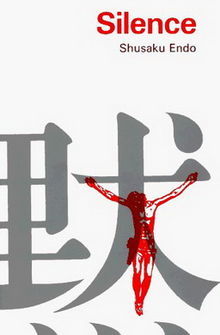
Title: Silence
Published: 1966
Table of Contents
Silence by Shūsaku Endō - A Masterpiece of Historical Fiction
Considered by many as one of the finest novels of our time, Silence by Shūsaku Endō is a powerful and thought-provoking historical fiction that delves into the complexities of faith, persecution, and the struggle to maintain one's beliefs in the face of adversity. First published in 1966, this novel takes readers on a journey to seventeenth-century Japan, where a Portuguese priest finds himself caught in the midst of a brutal campaign against the Christian community.
Characters
- Sebastião Rodrigues: The protagonist of the novel, Sebastião Rodrigues is a Portuguese Jesuit priest who travels to Japan to minister to the persecuted Christian community.
- Cristóvão Ferreira: A former mentor of Sebastião Rodrigues, Cristóvão Ferreira is a renowned missionary who is rumored to have renounced his faith after facing torture.
- Kichijiro: A complex character in the novel, Kichijiro is a Japanese man who vacillates between betraying his fellow Christians and seeking forgiveness for his sins.
- Tokugawa Inoue: A powerful Japanese official who oversees the persecution of Christians in Japan, Tokugawa Inoue represents the oppressive force that the Christians must contend with.
Detailed Summary
Silence follows the journey of Sebastião Rodrigues, who, along with his companion Francisco Garrpe, embarks on a perilous mission to Japan to locate their missing mentor, Cristóvão Ferreira. Upon their arrival in Japan, they witness the brutal treatment of the Christian community by the authorities, who employ torture and execution to suppress the faith.
As Rodrigues and Garrpe attempt to minister to the hidden Christians in Japan, they face numerous challenges and betrayals, including Kichijiro's repeated betrayals and their encounter with Tokugawa Inoue. The novel reaches a climax when Rodrigues is captured and faces a moral dilemma that tests the very core of his faith.
Analysis
Shūsaku Endō masterfully explores the themes of faith, doubt, and the nature of suffering in Silence. Through the character of Sebastião Rodrigues, Endō delves into the complexities of religious conviction and the moral quandaries that arise when faced with persecution. The novel challenges readers to question the meaning of faith in the face of suffering and to reflect on the nature of God's silence in times of trial.
Endō's meticulous attention to historical detail and his evocative prose bring seventeenth-century Japan to life, immersing readers in a world fraught with tension and danger. The moral dilemmas faced by the characters force readers to confront their own beliefs and assumptions, making Silence a deeply introspective and thought-provoking read.
Final thoughts
Silence by Shūsaku Endō is a profound and moving novel that explores the depths of faith and the complexities of human nature. In a masterful fusion of historical fiction and philosophical inquiry, Endō crafts a compelling narrative that challenges readers to grapple with questions of belief, doubt, and the nature of suffering. If you enjoyed this summary, consider purchasing the complete book or listening to the audiobook to experience the full impact of this literary masterpiece.
9780800871864 (ISBN10: 0800871863)
Format: 219 pages, Paperback
Original Title: 沈黙
Edition: February 15, 1980 by Taplinger Publishing Company
Peak Summary of Roland Smith's Book

Assassin's Quest Summary of Robin Hobb's Book

The Absolute Sandman, Volume 1 Summary of Neil Gaiman's Book

The Narrow Road to the Deep North Summary of Richard Flanagan's Book

The Girls in the Garden Summary of Lisa Jewell's Book

Boyfriend Material Summary of Alexis Hall's Book
Related Books