

Sister Outsider: Essays and Speeches Summary of Audre Lorde's Book
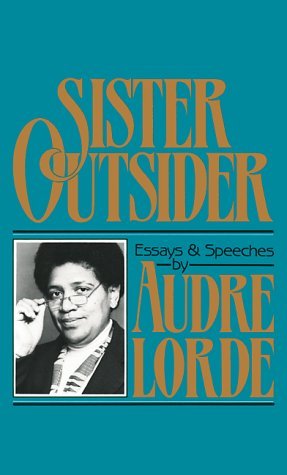
Title: Sister Outsider: Essays and Speeches
Published: 1984
Table of Contents
Sister Outsider: Essays and Speeches by Audre Lorde
Sister Outsider is a groundbreaking collection of essays and speeches by Audre Lorde, a black feminist writer, poet, and activist. First published in 1984, the book delves into Lorde’s personal experiences, political beliefs, and thoughts on race, gender, sexuality, and power dynamics. Through her powerful and eloquent writing, Lorde challenges readers to confront issues of inequality and oppression and to embrace the power of difference.
Characters
Audre Lorde is the central figure in Sister Outsider, as the essays and speeches in the collection are written by her. Lorde is a black lesbian feminist who uses her own experiences as a lens through which to explore larger societal issues. Throughout the book, she introduces readers to a diverse array of characters, including other women of color, feminists, and activists, whose stories and perspectives help illuminate the complexities of identity and injustice.
Detailed Summary
Sister Outsider is a collection of fifteen essays and speeches written by Audre Lorde between 1976 and 1984. The essays cover a wide range of topics, from the power of poetry to the importance of embracing difference. Lorde’s writing is deeply personal and reflective, as she shares her own struggles and triumphs as a black woman in America.
In “Poetry is not a luxury,” Lorde argues that poetry is an essential tool for self-expression and empowerment, particularly for marginalized voices. She explores the transformative power of language and the ways in which poetry can help individuals reclaim their voices and tell their own stories.
In “The transformation of silence into language and action,” Lorde reflects on the ways in which silence can be a form of self-imposed oppression. She urges readers to speak out against injustice and to use their voices to effect change.
Other essays in the collection, such as “Uses of the erotic: the erotic as power” and “The uses of anger: women responding to racism,” delve into issues of sexuality and anger, and how these emotions can be harnessed as sources of strength and resistance.
Overall, Sister Outsider is a powerful and thought-provoking collection that challenges readers to reexamine their assumptions and prejudices and to embrace the complexities of identity and difference.
Extensive Analysis
Audre Lorde’s Sister Outsider is a seminal work in the fields of feminism, race studies, and queer theory. Throughout the essays and speeches in the collection, Lorde offers a radical and intersectional analysis of power dynamics and social inequalities. She argues that the personal is political, and that individual experiences of oppression are intertwined with larger systems of power and privilege.
One of the key themes in Sister Outsider is the concept of difference. Lorde argues that difference should be embraced and celebrated, rather than suppressed or ignored. She highlights the importance of recognizing and valuing the unique perspectives and experiences of individuals from marginalized groups, and argues that it is through these differences that we can achieve true liberation and empowerment.
Lorde also explores the intersections of race, gender, and sexuality in her writings. She challenges traditional notions of identity and highlights the ways in which these categories are socially constructed and reinforced. Through her own experiences as a black lesbian woman, Lorde demonstrates the complexities and nuances of identity, and calls for a more inclusive and expansive understanding of who we are as individuals.
In “The Master’s tools will never dismantle the Master’s house,” Lorde critiques mainstream feminism for failing to address the needs and concerns of women of color and other marginalized groups. She argues that simply seeking equality within existing power structures is not enough, and that true liberation requires a reimagining of society and a rejection of oppressive systems.
Overall, Sister Outsider is a powerful and provocative collection that continues to resonate with readers today. Lorde’s insights and analysis are as relevant now as they were when the book was first published, and her words continue to inspire and challenge readers to think critically about the world around them.
Final thoughts
To conclude, Sister Outsider is a seminal work that challenges readers to confront issues of inequality and oppression, and to embrace the power of difference. Through her powerful and eloquent writing, Audre Lorde offers a radical and intersectional analysis of power dynamics and social injustices, and calls for a more inclusive and equitable society. I highly recommend reading Sister Outsider for anyone interested in feminism, race studies, or social justice.
If you enjoyed this summary, I encourage you to purchase the complete book Sister Outsider: Essays and Speeches by Audre Lorde, or to listen to the audiobook for a more immersive experience. It is a truly transformative and enlightening read that will leave a lasting impact on your understanding of identity, power, and resistance.
9780895941411 (ISBN10: 0895941414)
Format: 190 pages, Paperback
Original Title: Sister Outsider: Essays and Speeches
Edition: June 1, 1984 by Crossing Press
The Anthropocene Reviewed Summary of John Green's Book
All I Really Need to Know I Learned in Kindergarten Summary of Robert Fulghum's Book
The Doors of Perception / Heaven and Hell Summary of Aldous Huxley's Book

I Feel Bad About My Neck, And Other Thoughts on Being a Woman Summary of Nora Ephron's Book

When You Are Engulfed in Flames Summary of David Sedaris's Book
The Fire Next Time Summary of James Baldwin's Book
Related Books