

Spring Snow Summary of Yukio Mishima's Book
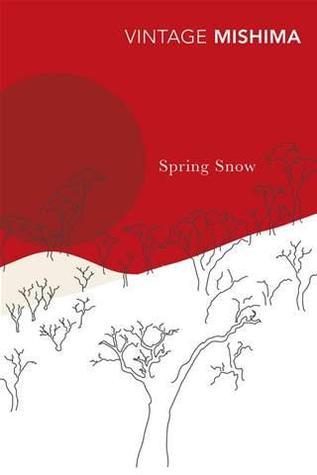
The Sea of Fertility #1
Title: Spring Snow
Published: 1967
Table of Contents
Exploring Tradition and Modernity in "Spring Snow" by Yukio Mishima
Yukio Mishima's "Spring Snow," the first installment of his renowned tetralogy The Sea of Fertility, takes readers on a journey into the complex world of early 20th-century Japan. Published in 1967, this novel delves into the clash between tradition and modernity, using the story of protagonist Kiyoaki Matsugae to explore themes of love, duty, and societal expectations. Set in Tokyo in 1912, the book provides a rich historical backdrop against which the characters navigate their personal relationships and societal roles.
Characters
Kiyoaki Matsugae: Kiyoaki is the central character of "Spring Snow," a young man raised in the aristocratic Ayakura family. Despite his upbringing, Kiyoaki feels like an outsider in the world of the elite and is caught between the old ways of the aristocracy and the emerging power of wealthy provincial families. His love for Satoko Ayakura propels much of the plot forward, leading him to confront his own desires and wrestle with societal expectations.
Satoko Ayakura: Satoko is the object of Kiyoaki's affection, a spirited and captivating young woman from a noble family. Engaged to a royal prince, Satoko becomes the focus of Kiyoaki's passion, sparking a series of events that will change the course of their lives. Satoko's character embodies the tension between tradition and modernity, as she grapples with the societal constraints placed upon her.
Shigekuni Honda: Honda serves as Kiyoaki's devoted friend and confidant, observing his struggles from the sidelines. A loyal companion, Honda offers a voice of reason and stability in Kiyoaki's tumultuous world. As a character who straddles both the old and new worlds of Japan, Honda provides insight into the shifting social dynamics of the time.
Shigeyuki Iinuma: Shigeyuki is another key figure in Kiyoaki's life, representing the emerging class of wealthy provincial families who are challenging the traditional aristocracy. As a rival for Satoko's affections, Shigeyuki symbolizes the encroachment of modern values on the established order, highlighting the tensions between different social classes.
Detailed Summary
"Spring Snow" opens with Kiyoaki Matsugae at the age of 20, grappling with his feelings for Satoko Ayakura. As members of the ancient aristocracy, both Kiyoaki and Satoko are bound by societal expectations and obligations. Kiyoaki's love for Satoko grows stronger as he realizes the depth of his passion for her, despite her engagement to a royal prince.
The novel traces Kiyoaki's emotional journey as he navigates the complexities of his relationship with Satoko and the pressures of his social class. As their love affair unfolds, Kiyoaki becomes increasingly aware of the barriers that stand between them, including Satoko's impending marriage and the disapproval of their families.
Throughout the story, Kiyoaki grapples with his conflicting emotions and struggles to reconcile his desires with the constraints of tradition. As the narrative unfolds, themes of duty, honor, and sacrifice come to the forefront, driving the characters to make difficult choices that will shape their destinies.
Extensive Analysis
"Spring Snow" delves deep into the tension between tradition and modernity in early 20th-century Japan, painting a vivid portrait of a society in transition. The clash between the old aristocracy and the rising power of provincial families reflects broader societal shifts during this period, as Japan grappled with the forces of modernization and westernization.
Through the character of Kiyoaki Matsugae, Mishima explores the complexities of personal identity and social expectations, illustrating the internal struggles faced by those caught between tradition and progress. Kiyoaki's journey serves as a microcosm of larger societal changes, highlighting the challenges of navigating cultural norms and individual desires in a rapidly evolving world.
The novel's exploration of love, duty, and sacrifice underscores the profound impact of societal expectations on personal relationships. As Kiyoaki and Satoko navigate their forbidden romance, they confront the limitations imposed by their class and heritage, forcing them to confront the consequences of their actions.
Mishima's lyrical prose and evocative imagery bring the world of "Spring Snow" to life, immersing readers in the beauty and complexity of early 20th-century Japan. The novel's rich historical detail and nuanced character development create a captivating narrative that resonates with themes of love, loss, and the eternal struggle between tradition and change.
Final thoughts
"Spring Snow" by Yukio Mishima is a masterful exploration of tradition and modernity in early 20th-century Japan, weaving together themes of love, duty, and societal expectations in a rich tapestry of historical detail and emotional depth. Through the characters of Kiyoaki Matsugae, Satoko Ayakura, Shigekuni Honda, and Shigeyuki Iinuma, Mishima crafts a compelling narrative that captures the essence of a society in transition.
Readers who are drawn to stories that delve into the complexities of human relationships and the clash of cultural forces will find "Spring Snow" to be a captivating and thought-provoking read. For those who are intrigued by the themes explored in this novel, we highly recommend diving into The Sea of Fertility tetralogy to further immerse yourself in Yukio Mishima's rich and compelling storytelling.
For those who prefer to listen to audiobooks, "Spring Snow" is also available in audio format, allowing you to experience the beauty of Mishima's prose through spoken word. Whether you choose to read the book in print or listen to it on audio, we encourage you to explore this timeless classic and discover the profound insights it offers into the human experience.
9780099282990 (ISBN10: 0099282992)
Format: 389 pages, Paperback
Original Title: 春の雪 [Haru no Yuki]
Edition: November 1, 2000 by Vintage
Swallows and Amazons Summary of Arthur Ransome's Book

The Moon Is a Harsh Mistress Summary of Robert A. Heinlein's Book

Franny and Zooey Summary of J.D. Salinger's Book

Tales of Ordinary Madness Summary of Charles Bukowski's Book

At the Mountains of Madness and Other Tales of Terror Summary of H.P. Lovecraft's Book

The Lover Summary of Marguerite Duras's Book
Related Books