

The Art of War Summary of Sun Tzu's Book
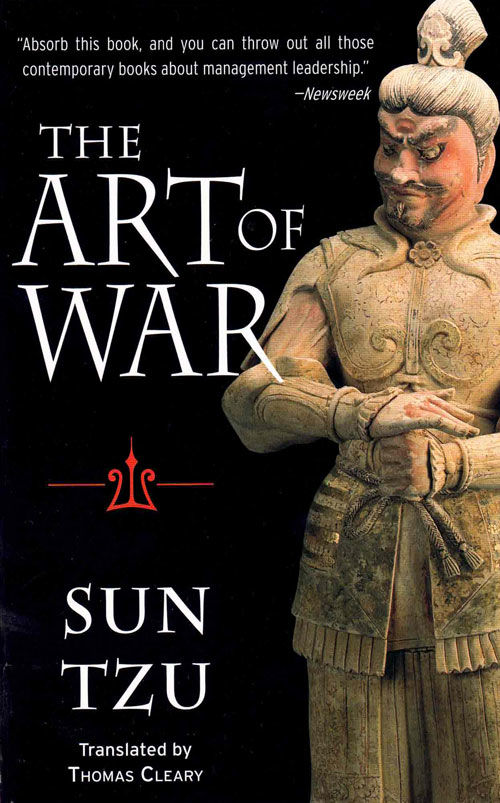
Title: The Art of War
Published: 401
Table of Contents
The Art of War by Sun Tzu: A Timeless Guide to Strategy and Leadership
The Art of War is a timeless classic that transcends its origins in ancient Chinese military strategy. First published in 401 B.C., this book by Sun Tzu has influenced leaders and thinkers for centuries. Despite being a military text, its teachings have been applied to various aspects of life, including politics, business, and personal growth. Sun Tzu's insights on leadership, strategy, and conflict resolution continue to resonate with readers today, making this book a must-read for anyone interested in mastering the art of strategy.
Characters
The Art of War does not have traditional characters in the way a novel would, but it does feature Sun Tzu himself as the author and narrator. Sun Tzu was a Chinese military general, strategist, and philosopher who lived in the 6th century BC. His teachings on military strategy and tactics have had a lasting impact on warfare and leadership.
Detailed Summary
In The Art of War, Sun Tzu outlines his philosophy on warfare and strategy in a series of chapters that cover various aspects of conflict. He discusses topics such as planning, espionage, tactics, and leadership, providing practical advice on how to win battles and secure victories. Sun Tzu emphasizes the importance of knowing one's enemy, adapting to changing circumstances, and using deception to gain an advantage. He also stresses the importance of morale, discipline, and unity among troops.
One of the key principles of The Art of War is the concept of "winning without fighting." Sun Tzu argues that the ultimate goal of warfare should be to achieve victory through superior strategy and diplomacy, rather than through brute force and direct confrontation. By outsmarting and outmaneuvering the enemy, one can avoid unnecessary conflict and achieve success with minimal casualties.
Analysis
The Art of War is not just a book on military strategy; it is a treatise on leadership, decision-making, and human nature. Sun Tzu's teachings on strategy and tactics can be applied to a wide range of contexts, from business and politics to everyday life. His emphasis on preparation, flexibility, and adaptability resonates with modern readers who face complex challenges in a rapidly changing world.
One of the key lessons of The Art of War is the importance of strategic thinking. Sun Tzu encourages readers to anticipate obstacles, devise creative solutions, and stay one step ahead of their opponents. By mastering the art of strategy, individuals can overcome adversity, make wise decisions, and achieve their goals with confidence.
Overall, The Art of War is a book that rewards careful study and reflection. Its timeless wisdom and practical advice make it a valuable resource for anyone seeking to improve their strategic thinking and leadership skills. Whether you are a military commander, business executive, or student of history, this book offers valuable insights that can help you navigate the complexities of the modern world.
Final thoughts
To conclude, The Art of War by Sun Tzu is a classic text that continues to inspire and educate readers around the world. Its teachings on strategy, leadership, and warfare have stood the test of time and remain relevant in today's fast-paced and competitive environment. If you enjoyed this summary, I encourage you to purchase the complete book or listen to the audiobook to delve deeper into Sun Tzu's timeless wisdom.
Remember, the lessons of The Art of War go beyond the battlefield – they can be applied to all areas of life where strategy and leadership are essential. Whether you are leading a team, negotiating a business deal, or facing a personal challenge, Sun Tzu's teachings can help you achieve success with grace and wisdom.
Format: 273 pages, Paperback
Original Title: 孫子兵法
Edition: January 11, 2005 by Harper Press
Firestarters: How Innovators, Instigators, and Initiators Can Inspire You to Ignite Your Own Life Summary of Raoul Davis Jr.'s Book

CEO-Stories: Children Employed by Owners Summary of Michael Eastwood's Book

Liar's Poker Summary of Michael Lewis's Book

Power And Prediction: The Disruptive Economics of Artificial Intelligence Summary of Ajay Agrawal's Book

Deep Work: Rules for Focused Success in a Distracted World Summary of Cal Newport's Book

Everybody Lies: Big Data, New Data, and What the Internet Can Tell Us About Who We Really Are Summary of Seth Stephens-Davidowitz's Book
Related Books