

The Bhagavad Gita Summary of Krishna-Dwaipayana Vyasa's Book
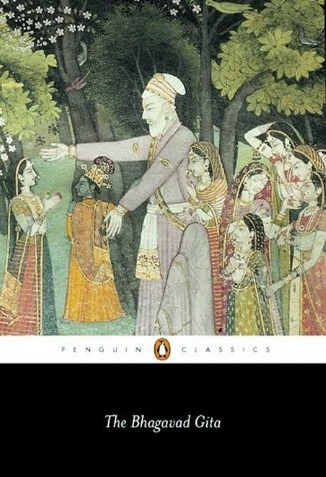
Title: The Bhagavad Gita
Published: 401
Table of Contents
The Bhagavad Gita: An Ancient Sacred Text
The Bhagavad Gita, a profound philosophical dialogue between Lord Krishna and Prince Arjuna, is a significant text within the Indian epic, The Mahabharata. First published on January 1, 401, this sacred Hindu scripture delves into the ethical dilemmas faced by Arjuna on the battlefield and sheds light on the nature of God. The book, belonging to the genres of Religion, Philosophy, and Classics, serves as a timeless guide for living a righteous life.
Characters
Arjuna
Arjuna, the prince and warrior, seeks counsel from Lord Krishna in the midst of a great battle. He faces a moral dilemma and struggles to reconcile his duty as a warrior with his compassion for his family members who stand on the opposing side.
Krishna
Lord Krishna, the divine charioteer, imparts profound wisdom to Arjuna during the critical moments before the battle. He serves as a spiritual guide and mentor, offering insights on ethics, duty, and the nature of existence.
Sanjaya
Sanjaya, a trusted advisor to King Dhrtarastra, serves as a messenger and narrates the events of the battlefield to the blind king. He provides a window into the unfolding spiritual discourse between Arjuna and Krishna.
King Dhrtarastra
King Dhrtarastra, the blind ruler of the Kuru dynasty, listens to Sanjaya's recitation of the battle events. His character symbolizes ignorance and attachment, highlighting the importance of spiritual awakening and detachment.
Dhrstadyumna
Dhrstadyumna, a warrior and prince, plays a significant role in the Mahabharata war. His presence emphasizes the themes of duty, honor, and righteousness that permeate the epic narrative.
Dronacharya
Dronacharya, the revered teacher and mentor of the Pandava and Kaurava princes, embodies wisdom and martial skill. His character underscores the importance of discipline, knowledge, and virtue in shaping one's actions.
Detailed Summary
The Bhagavad Gita unfolds on the battlefield of Kurukshetra, where Arjuna is gripped by doubt and despair as he faces his kinsmen and teachers in the opposing army. In a moment of moral crisis, Arjuna turns to Krishna for guidance, seeking clarity on his duty as a warrior and the righteousness of the impending battle.
Krishna, assuming his divine form, reveals his universal presence and expounds on the eternal truths of life, death, and karma. He teaches Arjuna the path of selfless action (karma yoga), devotion (bhakti yoga), and knowledge (jnana yoga) as ways to attain spiritual enlightenment and liberation.
Through a series of philosophical discourses, Krishna imparts profound teachings on the nature of the self, the importance of detachment, and the unity of all existence. He elucidates the concept of dharma, or righteous duty, urging Arjuna to fulfill his obligations without attachment to the fruits of his actions.
As the dialogue progresses, Arjuna's doubts and fears are dispelled, and he gains a deeper understanding of his place in the cosmic order. Krishna reveals his universal form, showcasing his divine power and glory, and instills in Arjuna the courage and resolve to fulfill his destiny as a warrior and a seeker of truth.
Analysis
The Bhagavad Gita serves as a profound treatise on ethics, spirituality, and the nature of reality. Through the character of Arjuna, the book explores the timeless themes of duty, righteousness, and the pursuit of self-realization. Krishna's teachings on action, devotion, and knowledge provide a roadmap for leading a meaningful and purposeful life in accordance with universal principles.
The text delves into the intricacies of human nature, the challenges of moral decision-making, and the eternal struggle between good and evil. It challenges readers to examine their beliefs, motivations, and actions in light of higher truths and cosmic principles. The Bhagavad Gita invites reflection, introspection, and self-transformation, inspiring individuals to strive for spiritual growth and enlightenment.
Overall, The Bhagavad Gita offers a profound and timeless message of wisdom, compassion, and divine grace. It stands as a testament to the enduring power of ancient wisdom and the universality of spiritual teachings. The book continues to inspire readers across the globe, resonating with seekers of truth and seekers of the divine.
To conclude, The Bhagavad Gita is a sacred text that transcends time and culture, offering profound insights into the nature of existence and the path to spiritual realization. Readers who are drawn to philosophy, religion, and spiritual wisdom will find rich treasures in this timeless classic.
If you have enjoyed this summary, we highly recommend purchasing the complete book for a deeper exploration of its profound teachings. Alternatively, you can listen to the audiobook for a convenient and immersive experience. Happy reading!
9780140449181 (ISBN10: 0140449183)
Format: 160 pages, Paperback
Original Title: भगवद्गीता [bhagavad-gītā]
Edition: January 1, 2003 by Penguin
Swallows and Amazons Summary of Arthur Ransome's Book

The Moon Is a Harsh Mistress Summary of Robert A. Heinlein's Book

Franny and Zooey Summary of J.D. Salinger's Book

Tales of Ordinary Madness Summary of Charles Bukowski's Book

At the Mountains of Madness and Other Tales of Terror Summary of H.P. Lovecraft's Book

The Lover Summary of Marguerite Duras's Book
Related Books