

The Book of Lies <div>Summary of Aleister Crowley's Book</div>
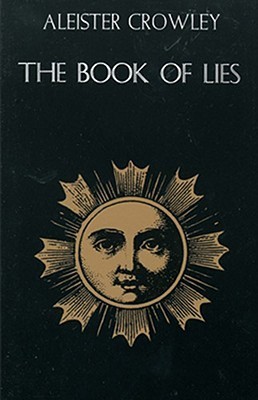
Title: The Book of Lies
Published: 1913
Table of Contents
The Book of Lies by Aleister Crowley: A Deep Dive into the Mysterious World of Occult and Philosophy
The Book of Lies, also known as Liber CCCXXXIII, is a unique and enigmatic work written by the infamous English occultist Aleister Crowley. Published in 1913, this book is a blend of occult teachings, philosophy, and nonfiction that challenges the reader to think beyond conventional beliefs and delve into the mysteries of the universe. With its cryptic chapters and obscure allusions, The Book of Lies takes its readers on a journey through the mind of Crowley, exploring themes of truth, falsehood, and the nature of reality itself.
Characters
The central character in The Book of Lies is Frater Perdurabo, which is the pen name used by Aleister Crowley. Throughout the book, Crowley weaves a complex narrative that blurs the lines between reality and illusion, inviting the reader to question their own beliefs and perceptions. Additionally, the book references Leila Waddell, or Laylah as Crowley called her, who served as his Scarlet Woman and muse during the writing process of this volume.
Detailed Summary
The Book of Lies consists of 93 chapters, each containing a single page of text. The chapters are a mixture of questions, poems, rituals, instructions, and cryptic messages, all of which are steeped in occult symbolism and philosophy. These chapters are meant to challenge the reader's understanding of reality and push them to think beyond the confines of traditional thought.
With titles such as "The Universe is laughter," "The Bloody Sacrifice," and "The Oyster," each chapter delves into different aspects of human existence and the nature of the universe. Crowley's use of qabalistic meanings and references adds a layer of complexity to the text, requiring readers to decipher hidden messages and meanings within the seemingly random structure of the book.
Extensive Analysis
The Book of Lies is a deeply symbolic and esoteric work that invites readers to explore the boundaries of their own consciousness. Through its cryptic chapters and mysterious content, Crowley challenges readers to question their beliefs and perceptions, urging them to seek a deeper understanding of the world around them.
One of the key themes in the book is the concept of truth and falsehood. Crowley suggests that reality is not always what it seems, and that the pursuit of knowledge and enlightenment requires a willingness to embrace the unknown and challenge established truths. By blurring the lines between fact and fiction, Crowley pushes readers to think critically about the nature of reality and the limitations of human perception.
Additionally, The Book of Lies explores the idea of duality and contradiction, emphasizing the interconnectedness of opposing forces in the universe. Through symbols, rituals, and allegories, Crowley illustrates the complexity of existence and the need to balance light and darkness, truth and falsehood, in order to achieve a higher state of consciousness.
Final thoughts
To conclude, The Book of Lies is a thought-provoking and intriguing work that delves into the depths of occult knowledge and philosophical exploration. With its cryptic chapters, obscure references, and challenging themes, this book is not for the faint of heart. However, for those willing to embark on a journey of self-discovery and enlightenment, The Book of Lies offers a unique and transformative experience that will leave readers questioning their own beliefs and perceptions.
If you found this summary intriguing, I highly recommend purchasing the complete book to fully immerse yourself in Crowley's mystical world. Alternatively, you can listen to the audiobook version for a more immersive and engaging experience. Embrace the mysteries of The Book of Lies and discover a deeper understanding of the universe and your place within it.
9780877285168 (ISBN10: 0877285160)
Format: 196 pages, Paperback
Original Title: The Book of Lies
Edition: January 1, 2010 by Samuel Weiser
The End of Faith: Religion, Terror, and the Future of Reason Summary of Sam Harris's Book

Red Notice: A True Story of High Finance, Murder, and One Man's Fight for Justice Summary of Bill Browder's Book

Euclid's Elements Summary of Euclid's Book

So Good They Can't Ignore You: Why Skills Trump Passion in the Quest for Work You Love Summary of Cal Newport's Book

Scrappy Little Nobody Summary of Anna Kendrick's Book

Zeitoun Summary of Dave Eggers's Book
Related Books