
The Code Book: The Science of Secrecy from Ancient Egypt to Quantum Cryptography Summary of Simon Singh's Book
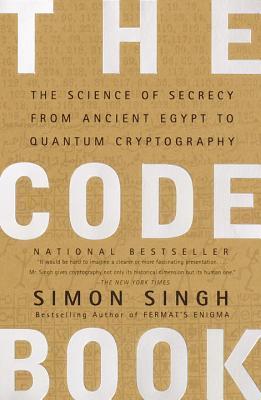
The Code Book: The Science of Secrecy from Ancient Egypt to Quantum Cryptography by Simon Singh
In the world of cryptography and codebreaking, one name stands out among the rest - Simon Singh. His book, "The Code Book: The Science of Secrecy from Ancient Egypt to Quantum Cryptography," is a captivating journey through the history of encryption, from ancient times to the modern era. Published on January 1, 1999, this nonfiction work delves into the fascinating world of codes, ciphers, and the individuals who created and cracked them.
Characters
- Alan Turing: A brilliant mathematician and logician who played a crucial role in breaking the German Enigma code during World War II.
- Julius Caesar: The Roman emperor known for his use of the Caesar cipher, a simple substitution cipher where each letter in the plaintext is shifted a certain number of places down the alphabet.
Detailed Summary
"The Code Book" by Simon Singh is a comprehensive exploration of the history of encryption and cryptography. The book begins by examining the earliest forms of encryption used by ancient civilizations such as the Egyptians and Greeks. It then moves on to discuss more complex methods of encryption developed during the Renaissance and Enlightenment periods, including the famous Vigenère cipher.
As the narrative progresses, Singh delves into the significant impact of cryptography on major historical events, such as the cracking of the Enigma code during World War II by Alan Turing and his team at Bletchley Park. The book also explores the role of cryptography in shaping the outcomes of wars, revolutions, and individual lives throughout history.
Throughout the book, Singh provides clear and accessible explanations of the technical and mathematical concepts behind encryption. He also introduces readers to the remarkable individuals who played key roles in creating and breaking some of the world's most challenging codes.
Extensive Analysis
"The Code Book" is a masterful blend of history, science, and storytelling. Singh's engaging narrative style makes complex topics accessible to a wide audience, from cryptography enthusiasts to casual readers interested in learning more about the power of secrecy. The book offers a thought-provoking exploration of how encryption has shaped the course of human history and continues to influence our lives in the digital age.
One of the most compelling aspects of the book is its examination of the ethical and moral implications of cryptography. Singh raises important questions about the balance between individual privacy and national security, highlighting the ongoing debate over encryption in the modern world.
Overall, "The Code Book" is a must-read for anyone interested in the intersection of technology, history, and mathematics. It offers a fascinating glimpse into the world of secrecy and the profound impact that codes and ciphers have had on society throughout the ages.
Final thoughts
To conclude, "The Code Book: The Science of Secrecy from Ancient Egypt to Quantum Cryptography" by Simon Singh is a captivating and informative read that sheds light on the hidden world of encryption. Whether you are a history buff, a cryptography enthusiast, or simply curious about the power of secrecy, this book is sure to captivate and educate. If you enjoyed this summary, be sure to purchase the complete book or listen to the audiobook for a more in-depth exploration of this fascinating subject.
9780385495325 (ISBN10: 0385495323)