

The Comedy of Errors Summary of William Shakespeare's Book
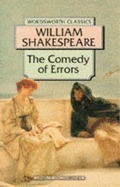
Table of Contents
The Comedy of Errors by William Shakespeare: A Hilarious Tale of Mistaken Identities
First published in 1594, The Comedy of Errors is a classic play by the legendary playwright William Shakespeare. Known for its fast pace, witty dialogue, and outrageous misunderstandings, this comedy has delighted audiences for centuries. The story revolves around two sets of twins who were separated at birth by a storm at sea. As fate would have it, they are reunited years later in the bustling town of Ephesus, leading to a series of hilarious mix-ups and mistaken identities. With its lively plot and clever wordplay, The Comedy of Errors is a testament to Shakespeare's early brilliance and a must-read for any fan of comedic literature.
Characters
Antipholus of Syracuse: One of the twins separated at birth, Antipholus of Syracuse is a master who arrives in Ephesus with his servant, Dromio of Syracuse. He is mistaken for his long-lost brother, Antipholus of Ephesus, leading to a series of comical misunderstandings.
Antipholus of Ephesus: The other twin master, Antipholus of Ephesus resides in Ephesus with his loyal servant, Dromio of Ephesus. When his twin brother arrives in town, chaos ensues as everyone mistakes him for Antipholus of Ephesus.
Dromio of Syracuse and Dromio of Ephesus: The twin servants, Dromio of Syracuse and Dromio of Ephesus, add to the confusion with their identical appearances and witty banter. They are caught in the middle of the mistaken identities and often bear the brunt of the comedic mishaps.
Detailed Summary
In The Comedy of Errors, the story kicks off with the arrival of Antipholus of Syracuse and his servant, Dromio of Syracuse, in Ephesus. Unbeknownst to them, they have stumbled into the town where their long-lost twins reside. As soon as they arrive, they are mistaken for their counterparts, Antipholus of Ephesus and Dromio of Ephesus, by the townspeople.
Antipholus of Syracuse is baffled by the strange behavior of the townspeople, who seem to know him despite never having met him before. To add to the confusion, his twin brother's wife, Adriana, confronts him for not coming home for dinner. Antipholus of Syracuse is taken aback by her accusations, as he has no recollection of being married.
Meanwhile, Dromio of Syracuse is sent on a series of errands by his master and encounters his twin brother, Dromio of Ephesus. The two servants engage in a hilarious exchange of mistaken identities, with each one thinking the other is playing a prank on them.
As the chaos escalates, Antipholus of Syracuse finds himself falling in love with Luciana, Adriana's sister. However, their budding romance is interrupted by more misunderstandings and miscommunications. The play culminates in a grand courtroom scene where the true identities of the twins are revealed, leading to a happy resolution for all involved.
Analysis
The Comedy of Errors is a prime example of Shakespeare's early comedic style, characterized by slapstick humor, clever wordplay, and mistaken identities. The play draws inspiration from the Roman comedies of Plautus, infusing them with Shakespeare's unique flair for language and wit.
One of the key themes of the play is the nature of identity and appearances. The mistaken identities of the twins serve as a commentary on how easily we can be misled by outward appearances and preconceived notions. Through the mix-ups and misunderstandings, Shakespeare invites the audience to question the authenticity of their perceptions and judgments.
Another notable aspect of the play is its exploration of family and relationships. The reunion of the twins serves as a catalyst for examining the bonds of brotherhood, love, and loyalty. Despite the chaotic circumstances, the characters ultimately find strength in their connections to one another, reinforcing the importance of unity and understanding.
Overall, The Comedy of Errors is a lighthearted romp filled with laughter, intrigue, and heartwarming moments. It showcases Shakespeare's early genius and offers a glimpse into the evolution of his comedic style. Whether you're a fan of classic literature or simply looking for a good laugh, this play is sure to entertain and delight.
Final thoughts
If you enjoy a good comedy of errors with a dash of mistaken identities, then The Comedy of Errors is the perfect play for you. With its witty dialogue, fast-paced plot, and lovable characters, this Shakespearean classic is a timeless tale of laughter and love. So why not pick up a copy of the complete play or listen to the audiobook version to experience the full hilarity of this delightful comedy?
9781853262432 (ISBN10: 1853262439)
Format: 112 pages, Paperback
Original Title: The Comedy of Errors
Edition: January 1, 1995 by Wordsworth Editions
Swallows and Amazons Summary of Arthur Ransome's Book

The Moon Is a Harsh Mistress Summary of Robert A. Heinlein's Book

Franny and Zooey Summary of J.D. Salinger's Book

Tales of Ordinary Madness Summary of Charles Bukowski's Book

At the Mountains of Madness and Other Tales of Terror Summary of H.P. Lovecraft's Book

The Lover Summary of Marguerite Duras's Book
Related Books