

The God of Small Things Summary of Arundhati Roy's Book
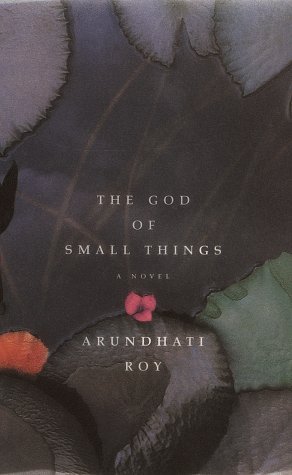
Title: The God of Small Things
Published: 1997
Table of Contents
The God of Small Things: A Tale of Love, Loss, and Hope
Arundhati Roy’s debut novel, The God of Small Things, captivates readers with its intricate storytelling, vivid characters, and breathtaking prose. Set against the backdrop of Kerala, India, the novel takes us on a journey through the lives of the dysfunctional and tragic Ipe family. Published in 1997, the novel explores themes of love, loss, madness, and the small moments that shape our lives, earning both critical acclaim and commercial success. In this article, we will delve into the world of the novel, exploring its characters, plot, and analyzing its deeper themes.
Characters
The story is centered around the Ipe family, featuring a cast of complex and memorable characters. The twins, Rahel and Estha, are at the heart of the narrative, navigating a tumultuous childhood filled with secrets and sorrow. Their mother, Ammu, is a tragic figure who finds fleeting happiness in forbidden love. Mammachi, the blind grandmother, adds a touch of whimsy with her violin playing, while their uncle Chacko is a charismatic figure with his own demons to face. Baby Kochamma, the manipulative grandaunt, adds a sense of darkness to the family dynamics.
Main Characters
- Rahel: One half of the twin siblings, Rahel is a sensitive and introspective girl who carries the weight of her family's secrets.
- Estha: The other twin, Estha is a quiet and imaginative boy who suffers deeply from the traumas of his past.
- Ammu: The mother of Rahel and Estha, Ammu is a lonely woman who seeks love and companionship in all the wrong places.
- Mammachi: The blinded grandmother, Mammachi, provides a sense of wisdom and mystery to the story with her violin playing.
- Chacko: The charismatic uncle, Chacko, is a complex character with a troubled past and a turbulent present.
- Baby Kochamma: The manipulative grandaunt, Baby Kochamma, adds a sense of darkness and manipulation to the family dynamics.
Detailed Summary
The story begins in 1969, with Rahel and Estha as young children stranded on a highway in Kerala. As the narrative unfolds, we learn about the family dynamics, secrets, and tragedies that have shaped their lives. The arrival of their English cousin, Sophie Mol, and her mother Margaret Kochamma, disrupts the delicate balance of their existence, leading to unforeseen consequences. Love, betrayal, and loss intertwine as the family grapples with their own demons and desires. The river that runs through their lives becomes a symbol of both joy and sorrow, reflecting the complexities of their relationships.
Key Events
- The children's innocent childhood in the shadow of their dysfunctional family.
- The arrival of Sophie Mol and Margaret Kochamma, leading to a series of tragic events.
- The forbidden love between Ammu and Velutha, a lower-caste man, leading to devastating consequences.
- The aftermath of the tragedy, with each family member grappling with their own guilt and grief.
- The cyclical nature of love, loss, and hope that permeates the narrative, leaving a lasting impact on the characters and readers alike.
Extensive Analysis
At its core, The God of Small Things is a meditation on the complexity of human emotions and relationships. Arundhati Roy weaves a tapestry of love, loss, and hope, exploring the ways in which even the smallest moments can have profound impacts on our lives. The novel challenges societal norms and conventions, delving into themes of caste, class, and gender dynamics in Indian society. Through the lens of the Ipe family, Roy crafts a narrative that is both universal and deeply rooted in its South Asian setting.
The prose in the novel is lush and poetic, drawing readers into the vivid world of Kerala with its sights, sounds, and smells. Roy's evocative descriptions bring the setting to life, painting a picture of a world filled with beauty and brutality in equal measure. The nonlinear narrative structure adds a layer of intrigue to the story, allowing readers to piece together the puzzle of the Ipe family's past and present.
Ultimately, The God of Small Things is a work of art that transcends genre and convention. It is a book that lingers in the mind long after the final page has been turned, inviting readers to contemplate the nuances of human experience and the power of small moments to shape our destinies. Arundhati Roy's debut novel remains a timeless masterpiece that continues to resonate with audiences around the world.
To conclude, The God of Small Things is a must-read for anyone looking for a rich and thought-provoking literary experience. If you are intrigued by themes of love, loss, and hope, and enjoy beautifully crafted prose that transports you to another time and place, this novel is sure to captivate you. Pick up a copy of The God of Small Things today and lose yourself in the mesmerizing world of the Ipe family.
Remember, if you enjoyed this summary, consider purchasing the complete book to delve deeper into the intricate story crafted by Arundhati Roy. Alternatively, you can also listen to the audiobook version for a different immersive experience of this literary masterpiece. Happy reading!
9780679457312 (ISBN10: 0679457313)
Format: 321 pages, Paperback
Original Title: The God of Small Things
Edition: January 1, 1997 by Random House
Swallows and Amazons Summary of Arthur Ransome's Book

The Moon Is a Harsh Mistress Summary of Robert A. Heinlein's Book

Franny and Zooey Summary of J.D. Salinger's Book

Tales of Ordinary Madness Summary of Charles Bukowski's Book

At the Mountains of Madness and Other Tales of Terror Summary of H.P. Lovecraft's Book

The Lover Summary of Marguerite Duras's Book
Related Books