
The Hour of the Star Summary of Clarice Lispector's Book
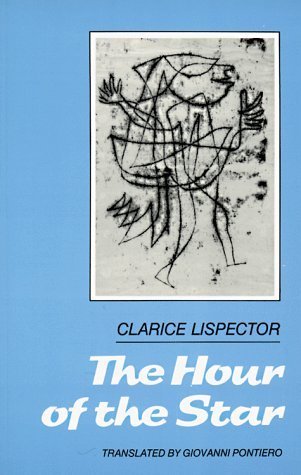
The Hour of the Star by Clarice Lispector: A Masterpiece of Brazilian Literature
First published on October 26, 1977, The Hour of the Star by Clarice Lispector is considered by many to be the author's masterpiece. This novel delves into the depths of human existence through the story of Macabéa, a young woman living in the slums of Rio de Janeiro. Through the eyes of the cosmopolitan narrator, Rodrigo S.M., readers are taken on a journey that challenges preconceived notions about poverty, identity, love, and the art of fiction.
Characters
Macabéa: The protagonist of the story, Macabéa is a young woman living in poverty in Rio de Janeiro. Despite her circumstances, she finds joy in simple pleasures such as watching movies and drinking Coca-Cola. Macabéa longs to be like Marilyn Monroe, but she is plagued by ugliness, sickness, and a lack of love.
Rodrigo S.M.: The narrator of the novel, Rodrigo is a cosmopolitan figure who struggles to relate to Macabéa's wretchedness. He is both repelled by her misery and drawn to her inner freedom, which serves as a stark contrast to his own emptiness.
Detailed Summary
The Hour of the Star follows the story of Macabéa, a typist living in the slums of Rio de Janeiro. She leads a life of poverty and desperation, with her only solace being the movies she watches and the Coca-Cola she drinks. Despite her longing for love and beauty, Macabéa is haunted by her own ugliness and sickness.
As Rodrigo narrates Macabéa's story, he grapples with his own feelings towards her. He is repulsed by her outward misery, yet he cannot ignore the sense of freedom that she possesses. Throughout the novel, Rodrigo and Macabéa engage in a dance of despair, with Lispector using their interactions to challenge the reader's perceptions of poverty, identity, and the human experience.
Analysis
The Hour of the Star is a powerful exploration of the human condition, as seen through the lens of poverty and despair. Lispector's juxtaposition of Macabéa's outward misery and inner freedom serves as a profound commentary on the nature of happiness and suffering. The novel challenges readers to reconsider their assumptions about identity, love, and the complexity of human emotions.
Through the characters of Macabéa and Rodrigo, Lispector masterfully crafts a narrative that cuts to the core of what it means to be alive. The novel's sparse and haunting prose leaves a lasting impact on readers, inviting them to contemplate the true mystery of life and the intricacies of human existence.
Final thoughts
The Hour of the Star by Clarice Lispector is a masterpiece of Brazilian literature that delves into the depths of humanity with grace and precision. Through the story of Macabéa and Rodrigo, the novel challenges preconceived notions about poverty, identity, and the nature of human experience. For readers looking to explore the complexities of life through the lens of fiction, The Hour of the Star is a compelling and poignant read.
If you enjoyed this brief summary, consider purchasing the complete book to experience the full depth and beauty of Lispector's writing. Alternatively, you can listen to the audiobook version for a captivating auditory experience that brings the story to life in a new way. Happy reading!
9780811211901 (ISBN10: 0811211908)