

The House on Mango Street Summary of Sandra Cisneros's Book
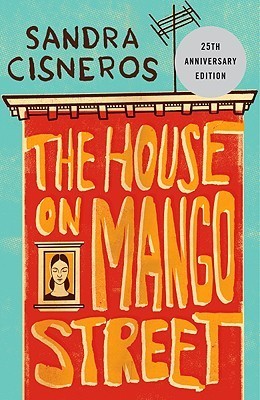
Title: The House on Mango Street
Published: 1984
Table of Contents
The House on Mango Street: A Comprehensive Book Summary
Sandra Cisneros' novel, The House on Mango Street, first published on January 1, 1984, is a powerful coming-of-age story that has captivated readers for decades. This remarkable book is a blend of fiction, classics, and young adult literature that explores the life of a young Latina girl named Esperanza Cordero as she navigates the challenges of growing up in Chicago. Through a series of poignant vignettes, Cisneros delves into themes of identity, belonging, and the power of storytelling.
Characters
Esperanza Cordero:
Esperanza is the protagonist of the story, a young Latina girl who dreams of a better future beyond Mango Street. As she observes the lives of those around her, she grapples with questions of identity and self-discovery.
Nenny:
Nenny is Esperanza's younger sister, who often serves as a foil to her older sibling. While she is more innocent and naive, Nenny also plays a crucial role in Esperanza's life and development.
Detailed Summary
The House on Mango Street unfolds through a series of interconnected vignettes that offer glimpses into Esperanza's experiences, thoughts, and emotions. From the challenges of living in a run-down neighborhood to the complexities of family relationships, Cisneros paints a vivid portrait of Esperanza's world.
As Esperanza reflects on her surroundings, she encounters a cast of characters who shape her understanding of herself and the world. Through her interactions with neighbors, friends, and family members, Esperanza learns valuable lessons about resilience, community, and the power of storytelling.
Despite the hardships she faces, Esperanza remains determined to carve out a better life for herself. As she dreams of a house of her own, far away from Mango Street, Esperanza explores the power of imagination and the importance of holding onto one's dreams.
Analysis
The House on Mango Street is a timeless classic that continues to resonate with readers of all ages. Through Esperanza's journey, Cisneros explores themes of identity, culture, and the quest for self-acceptance. The novel's unique structure, composed of vignettes that read like poetry, invites readers to immerse themselves in Esperanza's world and empathize with her struggles.
Cisneros' prose is both lyrical and raw, capturing the harsh realities of Esperanza's life while celebrating her resilience and spirit. The novel's exploration of gender, race, and class offers a nuanced portrayal of the Latina experience in America and highlights the importance of storytelling as a tool for empowerment and self-expression.
Overall, The House on Mango Street is a powerful and moving coming-of-age story that continues to inspire readers around the world. Its timeless themes and unforgettable characters make it a must-read for anyone seeking a deeper understanding of the complexities of identity and belonging.
If you enjoyed this brief summary, I encourage you to purchase the complete book to explore Esperanza's story in its entirety. Alternatively, you can listen to the audiobook to immerse yourself in Cisneros' rich and evocative prose. Happy reading!
9780679734772 (ISBN10: 0679734775)
Format: 110 pages, Paperback
Original Title: The House on Mango Street
Edition: April 3, 2009 by Knopf Doubleday Publishing Group
Swallows and Amazons Summary of Arthur Ransome's Book

The Moon Is a Harsh Mistress Summary of Robert A. Heinlein's Book

Franny and Zooey Summary of J.D. Salinger's Book

Tales of Ordinary Madness Summary of Charles Bukowski's Book

At the Mountains of Madness and Other Tales of Terror Summary of H.P. Lovecraft's Book

The Lover Summary of Marguerite Duras's Book
Related Books