

The Iliad / The Odyssey Summary of Homer's Book
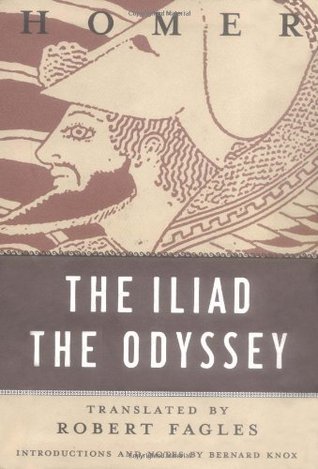
Table of Contents
The Iliad and The Odyssey by Homer: An Epic Tale of War and Journey
Homer's epic poems, The Iliad and The Odyssey, have stood the test of time as some of the most iconic works of literature in history. Believed to be composed in ancient Greece in the 8th century BCE, these two epic poems have captivated readers and listeners for over 2,700 years. The Iliad tells the story of the Trojan War, while The Odyssey follows the journey of the hero Odysseus as he strives to return home after the war. Both poems are filled with drama, adventure, and timeless themes that continue to resonate with audiences today.
Characters
- Odysseus: The cunning and resourceful hero of The Odyssey, Odysseus is known for his intelligence and his ability to outsmart his enemies. He faces numerous challenges on his journey home from the Trojan War, including battling monsters and navigating treacherous seas.
- Menelaus: The king of Sparta and husband of Helen, Menelaus plays a significant role in the events leading up to the Trojan War. He is determined to bring Helen back from Troy and seeks revenge on the Trojans for their role in the conflict.
- Hector of Troy: The noble prince of Troy, Hector is a brave and honorable warrior who fights valiantly to defend his city from the Greek invaders. He is known for his courage and his devotion to his family and his people.
- Sarpedon (King of Lycia): A powerful ally of the Trojans, Sarpedon leads his men into battle against the Greeks. He is a fierce warrior and a respected leader who inspires his troops with his bravery and skill in combat.
- Patroclus: The loyal companion of Achilles, Patroclus plays a crucial role in the events of The Iliad. He is a brave warrior who fights alongside Achilles in the Trojan War, but his actions ultimately lead to tragedy.
- Achilles: The greatest warrior of the Greeks, Achilles is a fierce and proud fighter whose anger and grief drive much of the action in The Iliad. He is known for his skill in battle and his unyielding nature, but he also experiences moments of vulnerability and doubt.
- Agamemnon: The king of Mycenae and the leader of the Greek forces in the Trojan War, Agamemnon is a powerful and ambitious ruler who clashes with Achilles over honor and authority. His decisions and actions have far-reaching consequences for the outcome of the war.
Detailed Summary
The Iliad is a gripping tale of war and heroism, focusing on the conflict between the Greeks and the Trojans during the Trojan War. At the heart of the story is the rage of Achilles, the greatest warrior of the Greeks, whose refusal to fight leads to devastating consequences for both sides. As the war rages on, we witness the bravery of Hector, the tragedy of Patroclus, and the fierce battles that shape the destiny of both nations.
The Odyssey picks up after the end of the Trojan War and follows the journey of Odysseus as he attempts to return home to Ithaca. Facing challenges from vengeful gods, treacherous monsters, and rival suitors, Odysseus must use all of his cunning and strength to survive and reunite with his family. Along the way, he encounters characters like the enchanting Circe, the fearsome Cyclops, and the loyal swineherd Eumaeus, each contributing to his epic quest.
Extensive Analysis
Both The Iliad and The Odyssey are masterpieces of ancient literature, showcasing Homer's skill as a poet and storyteller. The poems are filled with vivid descriptions, powerful emotions, and complex characters who wrestle with themes of honor, loyalty, fate, and the human experience. Through the epic journeys of heroes like Achilles and Odysseus, Homer explores the nature of heroism, the consequences of war, and the challenges of achieving glory and redemption.
The Iliad delves into the destructive power of anger and pride, as Achilles's rage drives him to forsake his comrades and seek vengeance against his enemies. The poem also portrays the horrors of war, the struggles of leadership, and the bonds of brotherhood that unite the warriors on both sides of the conflict. Through its portrayal of heroism and sacrifice, The Iliad asks readers to confront the costs of glory and the price of honor.
In contrast, The Odyssey focuses on the themes of homecoming and perseverance, as Odysseus struggles to overcome obstacles and return to his beloved wife, Penelope, and son, Telemachus. The poem explores the challenges of identity and disguise, the complexities of hospitality and loyalty, and the power of storytelling to shape memory and identity. Through Odysseus's trials and tribulations, The Odyssey reveals the resilience of the human spirit and the enduring quest for belonging and purpose.
Together, The Iliad and The Odyssey present a panoramic view of the ancient world, blending history, myth, and folklore into a rich tapestry of adventure and emotion. These epic poems continue to inspire readers and scholars with their timeless insights and universal truths, inviting us to reflect on the nature of heroism, the complexities of human nature, and the enduring power of storytelling.
Final thoughts
To conclude, The Iliad and The Odyssey by Homer are timeless classics that continue to captivate audiences with their epic tales of war and journey. Whether you are a fan of poetry, fiction, or ancient history, these works offer a unique and compelling glimpse into the lives of heroes and gods, warriors and kings. I highly recommend picking up a copy of these iconic poems to experience the thrill and beauty of Homer's storytelling for yourself.
If you enjoyed this brief overview, I urge you to purchase the complete book or listen to the audiobook version for a more immersive and rewarding experience. The enduring legacy of The Iliad and The Odyssey is a testament to the power of storytelling to transcend time and connect us to the struggles and triumphs of the past. Dive into these epic poems today and embark on a journey of discovery and wonder that will stay with you long after you turn the final page.
9780147712554 (ISBN10: 0147712556)
Format: 1556 pages, Paperback
Original Title: Ἰλιάς ; Ὀδύσσεια'
Edition: January 1, 1999 by Penguin Classics
Swallows and Amazons Summary of Arthur Ransome's Book

The Moon Is a Harsh Mistress Summary of Robert A. Heinlein's Book

Franny and Zooey Summary of J.D. Salinger's Book

Tales of Ordinary Madness Summary of Charles Bukowski's Book

At the Mountains of Madness and Other Tales of Terror Summary of H.P. Lovecraft's Book

The Lover Summary of Marguerite Duras's Book
Related Books