

The Kite Runner Summary of Khaled Hosseini's Book
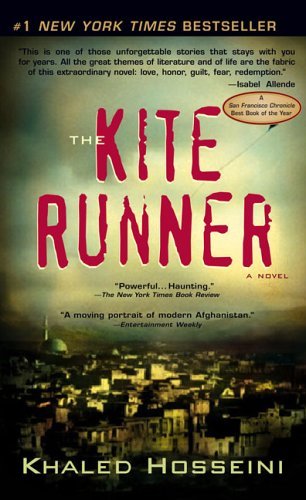
Title: The Kite Runner
Published: 2003
Table of Contents
The Kite Runner: A Tale of Redemption and Friendship
Khaled Hosseini's debut novel, The Kite Runner, takes readers on a journey through friendship, betrayal, redemption, and the search for forgiveness. Set against the backdrop of a changing Afghanistan, the story follows the lives of two young boys, Amir and Hassan, as they navigate the complexities of their relationship amidst political turmoil and personal struggles.
Characters
Amir: The protagonist of the story, Amir is a privileged Pashtun boy who struggles with his guilt over betraying his loyal friend, Hassan.
Hassan: Amir's devoted Hazara friend and servant, Hassan stands by Amir's side no matter what, even in the face of betrayal.
Baba: Amir's father, a well-respected businessman with a complicated relationship with his son.
Rahim Khan: Baba's friend and confidant, who plays a pivotal role in shaping Amir's destiny.
Assef: A cruel and violent bully who torments Amir and Hassan throughout their childhood.
Sohrab: Hassan's son, who becomes a central figure in Amir's quest for redemption.
Soraya Taheri: Amir's wife, who provides support and love as he confronts his past.
Farid: A taxi driver who helps Amir navigate the challenges of returning to Afghanistan.
Detailed Summary
The Kite Runner opens in 1970s Afghanistan, where young Amir is desperate to win the local kite-fighting tournament with the help of his loyal friend Hassan. However, after a traumatic event that changes their lives forever, Amir struggles with guilt and shame, ultimately leading to a rift in their friendship.
As political turmoil unfolds in Afghanistan, Amir and his father are forced to flee to America, leaving behind their home and loved ones. Despite their new life in California, Amir grapples with the unresolved issues from his past, feeling the weight of his betrayal towards Hassan.
Years later, Amir receives a call from Rahim Khan, urging him to return to Afghanistan to seek redemption and rescue Hassan's son, Sohrab, from a dangerous situation. As Amir embarks on this journey, he is forced to confront his past and come to terms with his actions, ultimately seeking forgiveness and redemption.
Analysis
The Kite Runner explores themes of friendship, guilt, loyalty, redemption, and the impact of choices on one's life. Through Amir and Hassan's intertwined stories, the novel delves into the complexities of relationships, societal expectations, and the consequences of betrayal.
Hosseini skillfully weaves together past and present, creating a vivid tapestry of Afghanistan's history and culture while showcasing the universal themes of love, forgiveness, and resilience. The characters are vividly drawn, each with their own struggles and desires, making them relatable and compelling to readers.
The novel's poignant ending leaves readers with a sense of hope and reconciliation, as Amir finally finds peace and redemption through his acts of bravery and selflessness. The Kite Runner serves as a reminder of the power of forgiveness and the importance of confronting one's past in order to move forward.
To conclude, Khaled Hosseini's The Kite Runner is a powerful and moving tale of friendship, betrayal, and redemption that will resonate with readers long after they finish the last page.
Final thoughts
If you enjoy riveting stories that explore complex relationships and themes of redemption, then The Kite Runner is a must-read. Purchase the complete book to experience the full impact of Hosseini's storytelling, or listen to the audiobook for an immersive experience that will stay with you long after you've finished. The Kite Runner is a timeless classic that will touch your heart and soul.
Format: 371 pages, Paperback
Original Title: The Kite Runner
Edition: May 1, 2004 by Riverhead Books
The Storied Life of A.J. Fikry Summary of Gabrielle Zevin's Book

The Hating Game Summary of Sally Thorne's Book

Den of Vipers Summary of K.A. Knight's Book

Our Chemical Hearts Summary of Krystal Sutherland's Book

The Smoke Jumper Summary of Nicholas Evans's Book

Bloom Summary of Elizabeth Scott's Book
Related Books