

The Lean Startup <div>Summary of Eric Ries's Book</div>
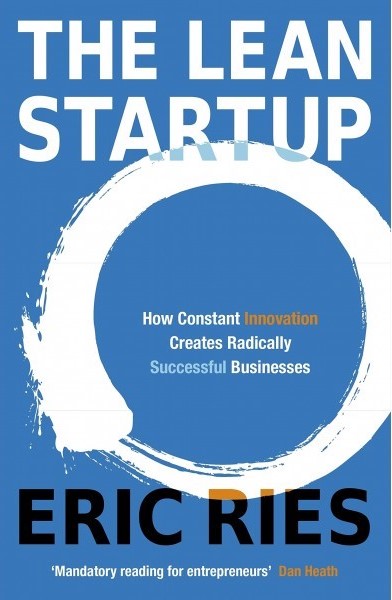
Title: The Lean Startup
Published: 2011
Table of Contents
The Lean Startup by Eric Ries: Revolutionizing the Entrepreneurial World
Eric Ries's groundbreaking book, "The Lean Startup," published on January 1, 2011, has taken the business, nonfiction, and entrepreneurship genres by storm. In this comprehensive mega-article, we will delve into the key concepts of the book, explore its characters (or lack thereof), provide a detailed summary, and offer an in-depth analysis of how the Lean Startup methodology is changing the way companies innovate and succeed in today's fast-paced business world.
Characters
Although "The Lean Startup" is a nonfiction book, it does not feature traditional characters in the way a novel would. However, the principles and methodologies described by Eric Ries can be considered the driving forces behind the narrative. Ries himself becomes a central figure as he guides readers through the process of creating a successful startup in the face of uncertainty and risk.
Detailed Summary
At the core of "The Lean Startup" is the recognition that most startups fail, and many of these failures are preventable. Ries defines a startup as an organization dedicated to creating something new under conditions of extreme uncertainty. Whether it's a solo entrepreneur working out of a garage or a team of seasoned professionals in a corporate setting, the mission remains the same: to navigate through uncertainty and find a sustainable path to success.
The Lean Startup methodology emphasizes the importance of being capital efficient and leveraging human creativity effectively. Drawing inspiration from lean manufacturing principles, the approach revolves around "validated learning," rapid experimentation, and practices that accelerate product development cycles. By focusing on tangible progress over vanity metrics and continuously testing and adapting their vision, entrepreneurs can pivot and adjust their strategies in real-time.
Rather than relying on traditional business plans that are often outdated and ineffective, The Lean Startup encourages entrepreneurs to test their assumptions continuously, adapt to feedback, and make incremental changes to their products or services. This scientific approach to startup management allows companies of all sizes to innovate efficiently and stay ahead of the curve in an ever-evolving market.
Analysis
One of the key strengths of "The Lean Startup" is its emphasis on agility and adaptability in the face of uncertainty. By prioritizing experimentation, learning, and iterative development, entrepreneurs can uncover valuable insights, mitigate risks, and make informed decisions that lead to sustainable growth. The Lean Startup methodology challenges traditional business practices and encourages a mindset of continuous improvement and innovation.
Eric Ries's book has had a profound impact on the entrepreneurial ecosystem, prompting a paradigm shift in how startups are built and products are launched. By embracing the principles outlined in "The Lean Startup," companies can minimize waste, accelerate their learning curve, and increase their chances of success in a competitive landscape.
Final thoughts
To conclude, "The Lean Startup" by Eric Ries offers a fresh perspective on entrepreneurship and innovation, providing practical insights and actionable strategies for creating successful startups in uncertain environments. Whether you're a budding entrepreneur, a seasoned professional, or a corporate executive, this book is a must-read for anyone looking to navigate the complexities of the modern business world.
If you enjoyed this brief overview, we highly recommend purchasing the complete book or listening to the audiobook for a more in-depth exploration of The Lean Startup methodology. Embrace the principles of validated learning, rapid experimentation, and continuous improvement, and unlock the potential to revolutionize your approach to business and entrepreneurship.
9780307887894 (ISBN10: 0307887898)
Format: 299 pages, Board Book
Original Title: The Lean Startup
Edition: January 1, 2011 by Best Business
Firestarters: How Innovators, Instigators, and Initiators Can Inspire You to Ignite Your Own Life Summary of Raoul Davis Jr.'s Book

CEO-Stories: Children Employed by Owners Summary of Michael Eastwood's Book

Liar's Poker Summary of Michael Lewis's Book

Power And Prediction: The Disruptive Economics of Artificial Intelligence Summary of Ajay Agrawal's Book

Deep Work: Rules for Focused Success in a Distracted World Summary of Cal Newport's Book

Everybody Lies: Big Data, New Data, and What the Internet Can Tell Us About Who We Really Are Summary of Seth Stephens-Davidowitz's Book
Related Books