

The Metamorphosis Summary of Franz Kafka's Book
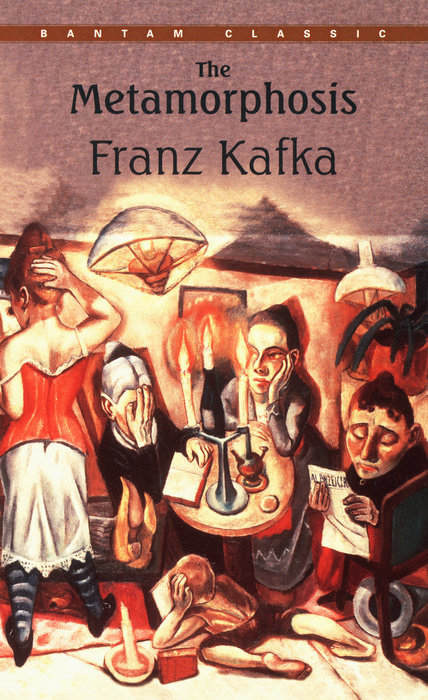
Title: The Metamorphosis
Published: 1915
Table of Contents
The Metamorphosis by Franz Kafka: A Stunning Classic
Franz Kafka's The Metamorphosis, published in 1915, is a timeless classic that explores themes of alienation, guilt, and isolation. The story follows Gregor Samsa, a young man who wakes up one day to find himself transformed into a gigantic insect. As Gregor struggles to come to terms with his new form, he becomes ostracized by his family and society, leading to profound reflections on the human condition.
Characters
- Gregor Samsa: The protagonist of the story, Gregor Samsa is a hardworking young man who is transformed into an insect. His transformation serves as a metaphor for his feelings of inadequacy and alienation in his own life.
- Grete Samsa: Gregor's younger sister, Grete initially cares for him after his transformation but eventually becomes disillusioned and resentful towards him.
- Mr. Samsa: Gregor's father, Mr. Samsa struggles with accepting his son's transformation and the financial burden it places on the family.
- Mrs. Samsa: Gregor's mother, Mrs. Samsa is initially horrified by her son's transformation but ultimately shows some compassion towards him.
Detailed Summary
The story begins with Gregor waking up one morning to find himself transformed into a giant insect. As he struggles to come to terms with his new form, he realizes that he is now a burden to his family, who rely on him for financial support. Despite his efforts to communicate with them, his family is repulsed by his appearance and begins to treat him as an outcast.
As the story progresses, Gregor's relationship with his family deteriorates further. Grete, who initially cares for Gregor, becomes increasingly critical of him and eventually views him as a hindrance to the family's well-being. Mr. Samsa is unable to accept Gregor's transformation and resorts to harsh treatment towards him. Mrs. Samsa, torn between her love for her son and her disgust at his new form, struggles to find a middle ground.
In the end, Gregor's isolation reaches its peak as he is confined to his room and becomes a mere spectacle for his family. Unable to bear his existence any longer, Gregor succumbs to his injuries and dies alone in his room. His family, relieved of his burden, begins to rebuild their lives without him.
Analysis
The Metamorphosis is a deeply philosophical and psychological work that delves into the inner turmoil of the human mind. The story serves as a powerful metaphor for feelings of alienation and inadequacy, as Gregor's transformation reflects his own sense of disconnect from society. Through Gregor's experiences, Kafka explores themes of identity, family dynamics, and the nature of humanity.
The novella also raises questions about the nature of reality and perception. As Gregor's physical form changes, so too does his perception of the world around him. The story challenges the reader to question the boundaries of reality and to consider the subjective nature of truth.
Overall, The Metamorphosis is a haunting and mesmerizing work that continues to captivate readers nearly a century after its publication. Kafka's evocative prose and subtle symbolism make this novella a must-read for anyone interested in exploring the depths of the human psyche.
Final thoughts
The Metamorphosis is a thought-provoking and profoundly moving work that will stay with you long after you finish reading it. If you enjoyed this brief summary, I highly recommend purchasing the complete book to immerse yourself in Kafka's haunting tale. Alternatively, consider listening to the audiobook for a different experience. Whichever way you choose to experience The Metamorphosis, you are sure to be enthralled by its timeless themes and powerful imagery.
Format: 201 pages, Paperback
Original Title: Die Verwandlung
Edition: March 1, 1972 by Bantam Classics
Swallows and Amazons Summary of Arthur Ransome's Book

The Moon Is a Harsh Mistress Summary of Robert A. Heinlein's Book

Franny and Zooey Summary of J.D. Salinger's Book

Tales of Ordinary Madness Summary of Charles Bukowski's Book

At the Mountains of Madness and Other Tales of Terror Summary of H.P. Lovecraft's Book

The Lover Summary of Marguerite Duras's Book
Related Books