

The Moral Landscape: How Science Can Determine Human Values Summary of Sam Harris's Book
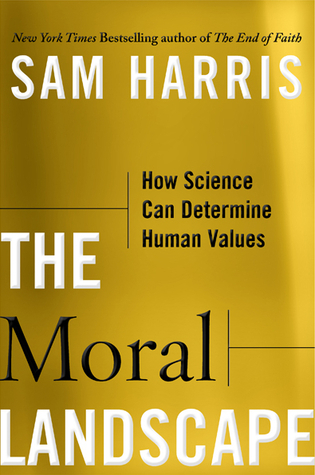
Title: The Moral Landscape: How Science Can Determine Human Values
Published: 2010
Table of Contents
The Moral Landscape by Sam Harris: A Comprehensive Review
Sam Harris's book, The Moral Landscape: How Science Can Determine Human Values, published in 2010, is a groundbreaking exploration of the relationship between science and morality. In this thought-provoking work, Harris challenges the notion that science has nothing to say about human values. Through a careful analysis of philosophy, neuroscience, and ethics, Harris argues that science can indeed provide us with insights into questions of right and wrong, good and evil. The book serves as a powerful rebuttal to the idea that morality must be derived from religion and sheds light on the potential of a scientific approach to ethical decision-making.
Characters
While The Moral Landscape is not a novel with traditional characters, Sam Harris himself can be considered the central figure in this intellectual journey. As a philosopher, neuroscientist, and prominent atheist, Harris brings a unique perspective to the discussion of morality. Drawing on his expertise in multiple fields, Harris navigates complex ethical dilemmas with clarity and precision. Readers will find themselves engaged with Harris's arguments and insights, as he challenges conventional wisdom and offers a fresh perspective on the nature of morality.
Detailed Summary
In The Moral Landscape, Sam Harris begins by addressing the common belief that science and morality occupy separate realms, with the former being unable to provide guidance on questions of value. Harris disputes this notion, arguing that science can indeed offer insights into the nature of morality by examining the well-being of conscious beings. He introduces the concept of a "moral landscape," where different actions and choices lead to varying levels of human and animal well-being.
Harris goes on to critique moral relativism, the idea that moral truths are subjective and culturally dependent. He asserts that there are objective facts about human well-being that can be uncovered through scientific inquiry. By studying the brain and understanding the relationship between conscious experiences and external events, Harris suggests that we can identify moral truths that transcend individual beliefs and cultural norms.
Throughout the book, Harris challenges readers to consider the implications of a scientific approach to morality. He raises important questions about the role of religion in shaping moral values and advocates for a secular, evidence-based understanding of ethics. By emphasizing the importance of human flourishing and the well-being of sentient beings, Harris presents a compelling argument for using science to inform our moral decisions.
Analysis
The Moral Landscape is a thought-provoking and controversial book that challenges traditional views on morality and ethics. Harris's fusion of philosophy, neuroscience, and empirical evidence creates a compelling narrative that invites readers to question their assumptions about right and wrong. By advocating for a scientific approach to morality, Harris pushes us to consider the consequences of our actions on the well-being of others and encourages a greater sense of empathy and compassion.
One of the key strengths of the book is Harris's ability to distill complex ideas into clear and accessible language. His arguments are logically sound and well-supported, making it easy for readers to follow his line of reasoning. By drawing on scientific research and philosophical insights, Harris builds a strong case for the idea that objective moral truths can be discovered through empirical investigation.
At its core, The Moral Landscape challenges us to rethink our understanding of morality and to consider the implications of a world where science plays a central role in shaping our values. By removing the barriers between science and ethics, Harris opens up new possibilities for how we approach ethical decision-making and moral reasoning. The book serves as a powerful call to action for a more rational and evidence-based approach to questions of right and wrong.
Final thoughts
To conclude, The Moral Landscape is a provocative and insightful exploration of the intersection between science and morality. Sam Harris's compelling arguments and persuasive writing make this book a must-read for anyone interested in philosophy, ethics, or neuroscience. By challenging conventional wisdom and advocating for a scientific approach to ethics, Harris offers a refreshing perspective on the nature of human values.
If you enjoyed this summary, I highly recommend purchasing the complete book or listening to the audiobook for a more in-depth exploration of Sam Harris's ideas. The Moral Landscape is sure to spark thoughtful reflection and lively debate on the future of morality and the role of science in shaping our moral landscape.
9781439171219 (ISBN10: 1439171211)
Format: 291 pages, Hardcover
Original Title: The Moral Landscape: How Science Can Determine Human Values
Edition: October 5, 2010 by Free Press
The End of Faith: Religion, Terror, and the Future of Reason Summary of Sam Harris's Book

Red Notice: A True Story of High Finance, Murder, and One Man's Fight for Justice Summary of Bill Browder's Book

Euclid's Elements Summary of Euclid's Book

So Good They Can't Ignore You: Why Skills Trump Passion in the Quest for Work You Love Summary of Cal Newport's Book

Scrappy Little Nobody Summary of Anna Kendrick's Book

Zeitoun Summary of Dave Eggers's Book
Related Books