

The Mysterious Stranger Summary of Mark Twain's Book
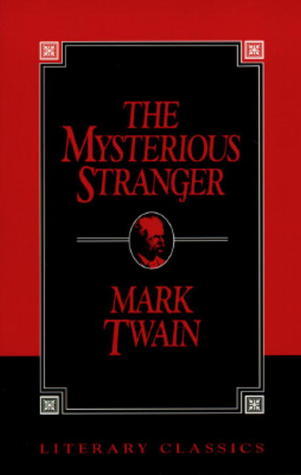
Title: The Mysterious Stranger
Published: 1916
Table of Contents
The Mysterious Stranger by Mark Twain: A Tale of Good and Evil
Mark Twain's The Mysterious Stranger is a captivating work of fiction that takes readers on a journey through 18th-century Austria, where the enigmatic character of Satan makes his presence known in the quiet village of Eseldorf. Published in 1916, this classic novel falls under the genres of Fiction, Classics, and Fantasy, and continues to intrigue readers with its exploration of morality, humanity, and the mysteries of existence.
Characters
The central figure in The Mysterious Stranger is Satan, who appears as the sinless nephew of the biblical Satan. Despite his angelic origins, this character embodies a sense of darkness and enigma that challenges the perceptions of good and evil. Through his interactions with the inhabitants of Eseldorf, Satan exposes the flaws and complexities of human nature, serving as a catalyst for both enlightenment and tragedy.
Other notable characters in the novel include Theodor, Seppi, and Nikolaus. Theodor is a young boy who forms a close bond with Satan and becomes entangled in the supernatural events that unfold in Eseldorf. Seppi is Theodor's friend, while Nikolaus is a respected figure in the village who becomes a target of Satan's manipulative ways. These characters, along with the villagers of Eseldorf, play significant roles in the narrative as they navigate the moral dilemmas presented by the mysterious stranger.
Detailed Summary
Set in the year 1702, The Mysterious Stranger follows Satan as he arrives in Eseldorf and begins to interact with the villagers. Initially posing as a young apprentice named No. 44, Satan soon reveals his true identity and begins to wield his influence over the inhabitants of the village. Through a series of encounters and revelations, Satan challenges the beliefs and values of the villagers, exposing the hypocrisy and cruelty that lurk beneath the surface of their seemingly idyllic lives.
As Satan's presence disrupts the status quo in Eseldorf, Theodor, Seppi, and Nikolaus find themselves caught up in a web of manipulation and deceit. Theodor, drawn to Satan's seemingly supernatural powers, becomes a willing follower, while Seppi struggles to reconcile his loyalty to his friend with the disturbing events unfolding around them. Meanwhile, Nikolaus, a respected figure in the village, becomes a target of Satan's malevolent intentions, leading to a tragic turn of events that tests the limits of morality and redemption.
As the novel unfolds, Twain delves into philosophical themes such as the nature of free will, the existence of evil, and the fragility of human perception. Through the character of Satan, Twain challenges conventional notions of morality and exposes the complexity of the human psyche. Ultimately, The Mysterious Stranger serves as a thought-provoking exploration of the eternal struggle between good and evil, shedding light on the darker aspects of human nature while offering glimpses of hope and redemption.
Analysis
The Mysterious Stranger stands out as a literary masterpiece that defies easy categorization. Combining elements of fiction, fantasy, and philosophical inquiry, Mark Twain crafts a narrative that challenges readers to confront their own beliefs and assumptions about the world. Through the enigmatic character of Satan, Twain forces us to question the nature of evil, the limits of human understanding, and the possibility of redemption in a morally ambiguous universe.
One of the most striking aspects of the novel is Twain's ability to blend humor and tragedy, creating a narrative that is both thought-provoking and emotionally resonant. The juxtaposition of satirical wit and profound insight adds depth and complexity to the story, inviting readers to engage with its themes on multiple levels. Additionally, Twain's skillful portrayal of the villagers of Eseldorf offers a poignant commentary on the pitfalls of conformity, ignorance, and blind obedience.
Overall, The Mysterious Stranger stands as a timeless work that continues to captivate readers with its rich language, vivid imagery, and profound insights into the human condition. By challenging conventional wisdom and exploring the mysteries of existence, Mark Twain invites us to examine our own beliefs and values, prompting us to reconsider the nature of good and evil in the world around us.
To conclude, The Mysterious Stranger is a must-read for anyone seeking a thought-provoking and engaging exploration of morality, humanity, and the complexities of the human psyche. Whether you are a fan of classics, fantasy, or philosophical literature, this novel is sure to leave a lasting impression and spark lively discussion among readers of all backgrounds.
Do yourself a favor and delve into the world of The Mysterious Stranger by Mark Twain today. Purchase the complete book or listen to the audiobook to experience the full impact of this timeless tale of good and evil.
9781573920391 (ISBN10: 1573920398)
Format: 122 pages, Paperback
Original Title: The Mysterious Stranger, or The Chronicle of Young Satan
Edition: September 1, 1995 by Prometheus
Swallows and Amazons Summary of Arthur Ransome's Book

The Moon Is a Harsh Mistress Summary of Robert A. Heinlein's Book

Franny and Zooey Summary of J.D. Salinger's Book

Tales of Ordinary Madness Summary of Charles Bukowski's Book

At the Mountains of Madness and Other Tales of Terror Summary of H.P. Lovecraft's Book

The Lover Summary of Marguerite Duras's Book
Related Books