
The Myth of Sisyphus <div>Summary of Albert Camus's Book</div>

Title: The Myth of Sisyphus
Published: 1942
Table of Contents
The Myth of Sisyphus: A Philosophical Masterpiece by Albert Camus
The Myth of Sisyphus, written by the renowned French philosopher Albert Camus, is a groundbreaking philosophical essay that challenges our understanding of existence and meaning. First published on January 1, 1942, this powerful work questions the very essence of life in a world without religious beliefs. Drawing inspiration from the Greek myth of Sisyphus, a man condemned to eternally push a rock up a mountain only for it to roll back down, Camus explores the fundamental question: is life worth living in a world devoid of inherent purpose?
Characters
The central figure in The Myth of Sisyphus is, of course, Sisyphus himself. In Greek mythology, Sisyphus was a cunning king who was condemned by the gods to perform an endless and futile task as punishment for his deceitful actions. Camus uses Sisyphus as a metaphor for the human condition, portraying him as a symbol of the absurd struggle that defines our existence. Through his analysis of Sisyphus, Camus delves into the complexities of human consciousness and the relentless pursuit of meaning in a world that offers none.
Detailed Summary
The Myth of Sisyphus begins with Camus declaring that the only truly serious philosophical problem is the question of suicide. He argues that the fundamental absurdity of life drives individuals to consider ending their existence as a way to escape the inherent meaninglessness of the world. However, Camus rejects this response, proposing instead that one must embrace the absurdity of life and find value in the act of defiance against the indifferent universe.
Camus explores the concept of the absurd through the lens of Sisyphus's eternal punishment. Despite his seemingly hopeless task, Sisyphus finds contentment in his struggle. By fully accepting the futility of his efforts and confronting the absurdity of his situation, Sisyphus is able to find meaning in his own defiance. In doing so, he transcends his punishment and finds freedom in his rebellion against a universe devoid of inherent meaning.
Camus goes on to discuss the implications of the absurd for human existence. He argues that the realization of life's inherent meaninglessness is not cause for despair, but rather an opportunity for freedom and creativity. By embracing the absurd, individuals are liberated from the constraints of societal expectations and religious dogma, allowing them to forge their own path and create their own values in a world without predetermined meaning.
Analysis
The Myth of Sisyphus is a profound meditation on the nature of existence and the human struggle for meaning. Camus's philosophy of the absurd challenges traditional notions of purpose and morality, inviting readers to confront the existential void at the core of their being. By rejecting the comforts of religious faith and embracing the uncertainty of the absurd, Camus offers a radical vision of freedom and autonomy that empowers individuals to find fulfillment in the face of life's inherent meaninglessness.
Camus's insights into the human condition have had a lasting impact on the fields of philosophy, literature, and psychology. His exploration of the absurd has resonated with generations of readers who grapple with the challenges of modern life and seek to find meaning in a world that often seems indifferent to their struggles. The Myth of Sisyphus stands as a testament to the power of human agency in the face of existential uncertainty, urging us to embrace the absurdity of our existence and find value in the act of living itself.
To conclude, The Myth of Sisyphus is a thought-provoking and illuminating work that continues to inspire readers to question their beliefs and confront the complexities of the human experience. If you are intrigued by the themes of existentialism, absurdism, and the search for meaning in a world devoid of inherent purpose, I highly recommend picking up a copy of Albert Camus's masterpiece.
Click here to purchase The Myth of Sisyphus and delve into the profound philosophy of Albert Camus.
9780141182001 (ISBN10: 0141182008)
Format: 192 pages, Paperback
Original Title: Le mythe de Sisyphe
Edition: November 26, 2013 by Penguin Classics
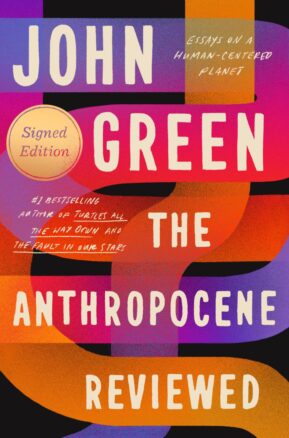
The Anthropocene Reviewed Summary of John Green's Book
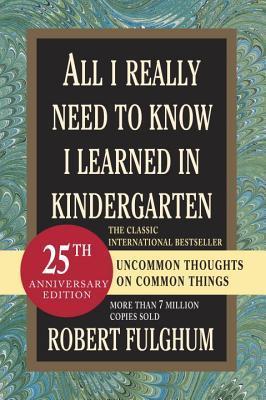
All I Really Need to Know I Learned in Kindergarten Summary of Robert Fulghum's Book
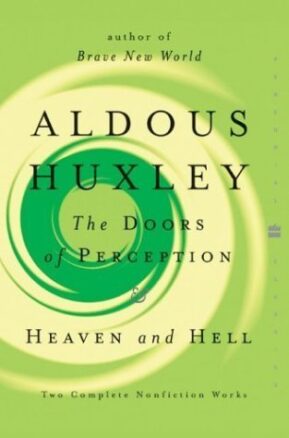
The Doors of Perception / Heaven and Hell Summary of Aldous Huxley's Book

I Feel Bad About My Neck, And Other Thoughts on Being a Woman Summary of Nora Ephron's Book
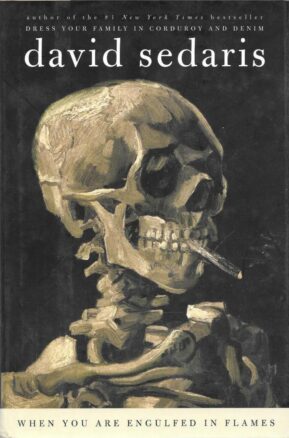
When You Are Engulfed in Flames Summary of David Sedaris's Book

The Fire Next Time Summary of James Baldwin's Book
Related Books