

The New Jim Crow: Mass Incarceration in the Age of Colorblindness Summary of Michelle Alexander's Book
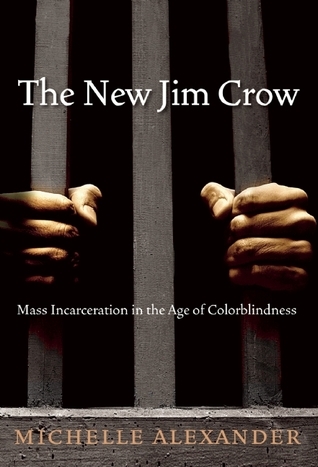
Title: The New Jim Crow: Mass Incarceration in the Age of Colorblindness
Published: 2010
Table of Contents
- The New Jim Crow: Mass Incarceration in the Age of Colorblindness by Michelle Alexander
- Introduction: The Legacy of Racial Injustice in America
- Characters: The Victims of a Broken System
- Detailed Summary: The Harsh Realities of Mass Incarceration
- Extensive Analysis: Challenging the Notion of Colorblindness
- Conclusion: A Call to Action for Racial Justice
The New Jim Crow: Mass Incarceration in the Age of Colorblindness by Michelle Alexander
Introduction: The Legacy of Racial Injustice in America
In "The New Jim Crow: Mass Incarceration in the Age of Colorblindness," Michelle Alexander delves into the systemic racism that continues to pervade American society, particularly within the criminal justice system. Published in 2010, this groundbreaking book sheds light on the harsh realities faced by African Americans who have been disproportionately targeted and marginalized by policies that perpetuate racial inequality. Despite the abolition of Jim Crow laws, the legacy of discriminatory practices lives on, as seen in the mass incarceration of black men and the pervasive disenfranchisement of communities of color.
Characters: The Victims of a Broken System
The central figure in Alexander's narrative is Jarvious Cotton, a representative of the countless black men in America who have been disenfranchised and oppressed by a system that views them as second-class citizens. Cotton's family history of voter suppression and violence at the hands of the Ku Klux Klan serves as a powerful reminder of the ongoing struggle for civil rights and racial equity. Through Cotton's story, Alexander illustrates the intergenerational impact of discrimination and segregation on African American communities.
Detailed Summary: The Harsh Realities of Mass Incarceration
"The New Jim Crow" explores how the "War on Drugs" and the expansion of punitive policies have disproportionately affected people of color, leading to a mass incarceration crisis that rivals the era of Jim Crow segregation. Alexander argues that the so-called colorblind approach to law enforcement has masked the racial disparities inherent in the criminal justice system, perpetuating a cycle of poverty, violence, and social exclusion for black Americans. By criminalizing minor offenses and imposing harsh sentences, the system effectively relegates a significant portion of the population to a permanent underclass.
The book highlights how policies such as mandatory minimum sentencing, three-strikes laws, and the militarization of law enforcement have contributed to the overrepresentation of black men in prisons and jails. By stigmatizing individuals with criminal records and denying them basic rights such as voting, housing, and employment, the system further marginalizes communities of color and reinforces racial stereotypes. Alexander exposes the harsh realities of life for those caught in the web of mass incarceration, emphasizing the profound impact on families, neighborhoods, and the broader society.
Extensive Analysis: Challenging the Notion of Colorblindness
Michelle Alexander's critique of the criminal justice system as a modern form of racial control challenges prevailing notions of equality and justice in America. By examining the historical context of slavery, segregation, and discrimination, she exposes the deep-seated prejudices and injustices that continue to shape law enforcement practices and public policy. The book highlights how the rhetoric of colorblindness has been used to justify systemic oppression and deny the reality of racialized violence and discrimination.
Through meticulous research and compelling argumentation, Alexander makes a compelling case for recognizing mass incarceration as a form of structural racism that perpetuates social inequality and denies fundamental rights to people of color. The book calls on readers to confront their complicity in upholding a system that targets vulnerable populations and perpetuates cycles of poverty and violence. By raising awareness of the injustices faced by black Americans in the criminal justice system, Alexander challenges us to take action and advocate for meaningful change.
Conclusion: A Call to Action for Racial Justice
"The New Jim Crow" is a powerful indictment of the systemic racism that continues to plague American society, posing a direct challenge to those who believe in the ideals of equality and justice for all. Michelle Alexander's provocative analysis demands a reevaluation of our legal and social systems, urging us to confront the legacy of racial injustice and work towards a more just and equitable future. As we reflect on the lessons of the past and the realities of the present, we are reminded of the urgent need to dismantle the structures of oppression that deny basic rights and freedoms to marginalized communities.
If you found this summary compelling, I encourage you to read the complete book "The New Jim Crow: Mass Incarceration in the Age of Colorblindness" by Michelle Alexander. Whether in print or as an audiobook, the full text offers a comprehensive exploration of the complex issues surrounding mass incarceration and racial inequality in America. Dive deep into the pages of this seminal work and join the conversation on race, justice, and human rights in the twenty-first century.
Purchase "The New Jim Crow" by Michelle Alexander for a transformative reading experience or listen to the audiobook for a powerful examination of race and criminal justice in America.
Format: 290 pages, Hardcover
Original Title: The New Jim Crow: Mass Incarceration in the Age of Colorblindness
Edition: January 5, 2010 by The New Press Inc.
Going Clear: Scientology, Hollywood, and the Prison of Belief Summary of Lawrence Wright's Book

The Omnivore's Dilemma: A Natural History of Four Meals Summary of Michael Pollan's Book

The Power Broker: Robert Moses and the Fall of New York Summary of Robert A. Caro's Book

Truman Summary of David McCullough's Book

The Decline and Fall of the Roman Empire Summary of Edward Gibbon's Book

Flags of Our Fathers Summary of James D. Bradley's Book
Related Books