

The Nicomachean Ethics Summary of Aristotle's Book
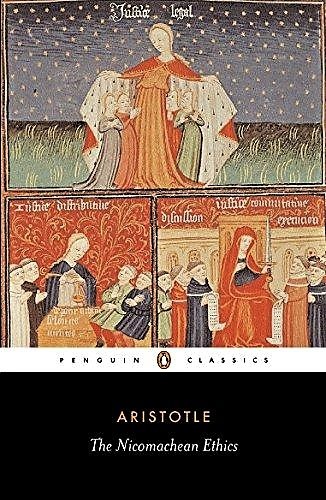
Title: The Nicomachean Ethics
Published: 351
Table of Contents
The Nicomachean Ethics by Aristotle: An In-Depth Analysis
Aristotle’s Nicomachean Ethics, first published in 351 B.C., stands as a cornerstone of Western philosophical thought. This timeless work delves into the essence of happiness, virtue, and the moral principles that govern human behavior. Through meticulous reasoning and profound insights, Aristotle presents a compelling argument for the importance of living a virtuous life in order to achieve true happiness. In this comprehensive mega-article, we will explore the characters, themes, and philosophical implications of this seminal work.
Characters
The central character in The Nicomachean Ethics is Aristotle himself, as he serves as both the author and the philosopher guiding the reader through his ethical treatise. Through his teachings, Aristotle introduces various concepts and principles that shape the moral landscape of the text. While there are no specific fictional characters in the book, Aristotle uses hypothetical examples and thought experiments to elucidate his arguments and illustrate his ethical theories.
Detailed Summary
In The Nicomachean Ethics, Aristotle posits that happiness is the ultimate goal of human life and is achieved through living a virtuous life. He distinguishes between two types of virtues: moral virtues, which involve practical reasoning and govern our interactions with others, and intellectual virtues, which are concerned with theoretical reasoning and the pursuit of knowledge. According to Aristotle, happiness is not a fleeting emotion or a result of external circumstances, but rather an enduring state of well-being that derives from the practice of virtuous actions.
Aristotle argues that virtue is a mean between excess and deficiency, and that cultivating virtuous habits leads to a state of moral excellence. He also explores the role of pleasure in ethical decision-making, asserting that true pleasure is derived from engaging in virtuous activities rather than from indulging in fleeting sensations. Additionally, Aristotle discusses the nature of friendship and its importance in cultivating a virtuous character.
Furthermore, Aristotle delves into the concept of practical reasoning, which involves making informed choices based on rational deliberation. He asserts that ethical behavior is not simply a matter of following rules or customs, but requires a deeper understanding of the principles that govern human conduct. Aristotle also examines the relationship between individual virtue and the well-being of society, arguing that the ultimate aim of ethics is to promote the common good and create a harmonious community.
Extensive Analysis
The Nicomachean Ethics is a seminal work that has had a profound influence on Western ethical thought. Aristotle’s emphasis on the importance of virtue, practical reasoning, and the pursuit of happiness continues to resonate with readers across different cultures and time periods. His ethical framework provides a comprehensive guide for navigating the complexities of human behavior and morality, offering valuable insights into the nature of happiness and the principles that govern a flourishing life.
One of the key strengths of The Nicomachean Ethics lies in Aristotle’s nuanced understanding of human nature and his recognition of the complexities inherent in moral decision-making. By emphasizing the importance of cultivating virtuous habits and engaging in rational reflection, Aristotle encourages individuals to strive for excellence in all aspects of their lives. His ethical theories challenge readers to question their assumptions and reevaluate their values, prompting a deeper examination of the principles that guide their actions.
Moreover, Aristotle’s exploration of the role of friendship in ethical life underscores the intrinsic connection between personal relationships and moral development. By highlighting the importance of genuine and reciprocal relationships, Aristotle emphasizes the role of social bonds in shaping one’s character and fostering a sense of community. His analysis of different forms of friendship deepens our understanding of human interactions and underscores the value of authentic connections based on mutual respect and shared values.
To conclude, The Nicomachean Ethics stands as a timeless masterpiece that continues to inspire readers with its profound insights into the nature of happiness and virtue. Aristotle’s ethical treatise remains a foundational text in the history of philosophy, offering a rich tapestry of ideas and principles that have enduring relevance in contemporary society. This comprehensive analysis of The Nicomachean Ethics serves as a tribute to Aristotle’s enduring legacy as one of the greatest philosophers of all time.
Don't miss out on the opportunity to delve into the profound wisdom of Aristotle's Nicomachean Ethics. Purchase the complete book today or listen to the audiobook for a transformative journey into the essence of happiness and virtue.
Total characters: 3924
9780140449495 (ISBN10: 0140449493)
Format: 329 pages, Paperback
Original Title: Ἠθικὰ Νικομάχεια
Edition: March 30, 2004 by Penguin Classics
Swallows and Amazons Summary of Arthur Ransome's Book

The Moon Is a Harsh Mistress Summary of Robert A. Heinlein's Book

Franny and Zooey Summary of J.D. Salinger's Book

Tales of Ordinary Madness Summary of Charles Bukowski's Book

At the Mountains of Madness and Other Tales of Terror Summary of H.P. Lovecraft's Book

The Lover Summary of Marguerite Duras's Book
Related Books