

The Odyssey Summary of Homer's Book
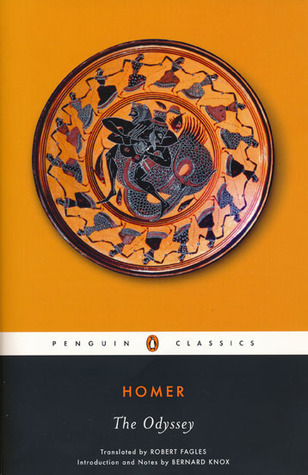
Table of Contents
The Odyssey by Homer: A Timeless Epic Journey
The Odyssey, an epic poem attributed to Homer, is one of the most influential works in Western literature. First published on January 1, 701, this classic piece belongs to the genres of Classics, Fiction, and Poetry. The story follows the protagonist Odysseus on his journey home to Ithaca after the Trojan War. The poem is a testament to the power of wit, willpower, and endurance in the face of adversity.
Characters
- Odysseus: The hero of the story, Odysseus is known for his cunning and bravery. He is on a quest to return home to his wife Penelope and son Telemachus.
- Penelope: The faithful wife of Odysseus, Penelope waits patiently for her husband's return, fending off suitors who seek her hand in marriage.
- Telemachus: The son of Odysseus and Penelope, Telemachus plays a significant role in the story as he searches for his father and takes on responsibilities in his absence.
- Minerva: The goddess of wisdom, Minerva aids Odysseus in his journey and watches over him.
- Polyphemus: The Cyclops who traps Odysseus and his men, posing a significant challenge for the hero.
- Achilles: A hero of the Trojan War, Achilles is referenced in the epic as a symbol of strength and glory.
- Agamemnon: Another hero of the Trojan War, Agamemnon's story is intertwined with that of Odysseus.
- Helen of Troy: The beautiful queen whose abduction sparked the Trojan War, Helen's actions have far-reaching consequences in the epic.
Detailed Summary
The Odyssey begins with the invocation to the Muse to tell the story of Odysseus, who faces numerous challenges on his journey home from Troy. Odysseus encounters various mythical creatures, including the Cyclops Polyphemus, the sorceress Circe, and the Sirens. He also navigates past treacherous waters and faces betrayal from his own crew.
Throughout his trials, Odysseus demonstrates his intelligence and resourcefulness, eventually making his way back to Ithaca. Disguised as a beggar, he discovers that his home has been overrun by suitors vying for Penelope's hand in marriage. With the help of his son Telemachus and loyal servants, Odysseus devises a plan to reclaim his kingdom and reunite with his wife.
After a series of tests and challenges, Odysseus reveals his true identity and defeats the suitors in a dramatic showdown. Penelope recognizes her husband, and the family is reunited at last. The Odyssey ends with a sense of closure and redemption as Odysseus finally returns home, having overcome incredible odds.
Analysis
The Odyssey is not just an epic tale of adventure and heroism; it is also a profound exploration of human nature and the complexities of the human experience. Odysseus' journey is a metaphor for the trials and tribulations that we all face in life, and his resilience serves as an inspiration to readers of all ages.
Homer's skillful storytelling and vivid imagery bring the ancient world to life, immersing readers in a rich tapestry of mythology and folklore. The poem's themes of loyalty, perseverance, and the search for home resonate across cultures and generations, making it a timeless masterpiece that continues to captivate audiences to this day.
Final thoughts
To conclude, The Odyssey by Homer is a literary masterpiece that deserves a place on every book lover's shelf. Whether you are a fan of classics, poetry, or adventure stories, this epic tale has something to offer for everyone. If you enjoyed this summary, I encourage you to purchase the complete book or listen to the audiobook for the full experience of Homer's timeless saga.
Remember, as Homer's words remind us, "Sing to me of the man of twists and turns, driven time and again off course, once he had plundered the hallowed heights of Troy." Join Odysseus on his unforgettable journey and discover the magic of The Odyssey for yourself.
9780143039952 (ISBN10: 0143039954)
Format: 541 pages, Paperback
Original Title: Ὀδύσσεια
Edition: October 31, 2006 by Penguin Classics
Swallows and Amazons Summary of Arthur Ransome's Book

The Moon Is a Harsh Mistress Summary of Robert A. Heinlein's Book

Franny and Zooey Summary of J.D. Salinger's Book

Tales of Ordinary Madness Summary of Charles Bukowski's Book

At the Mountains of Madness and Other Tales of Terror Summary of H.P. Lovecraft's Book

The Lover Summary of Marguerite Duras's Book
Related Books