

The Plague Summary of Albert Camus's Book
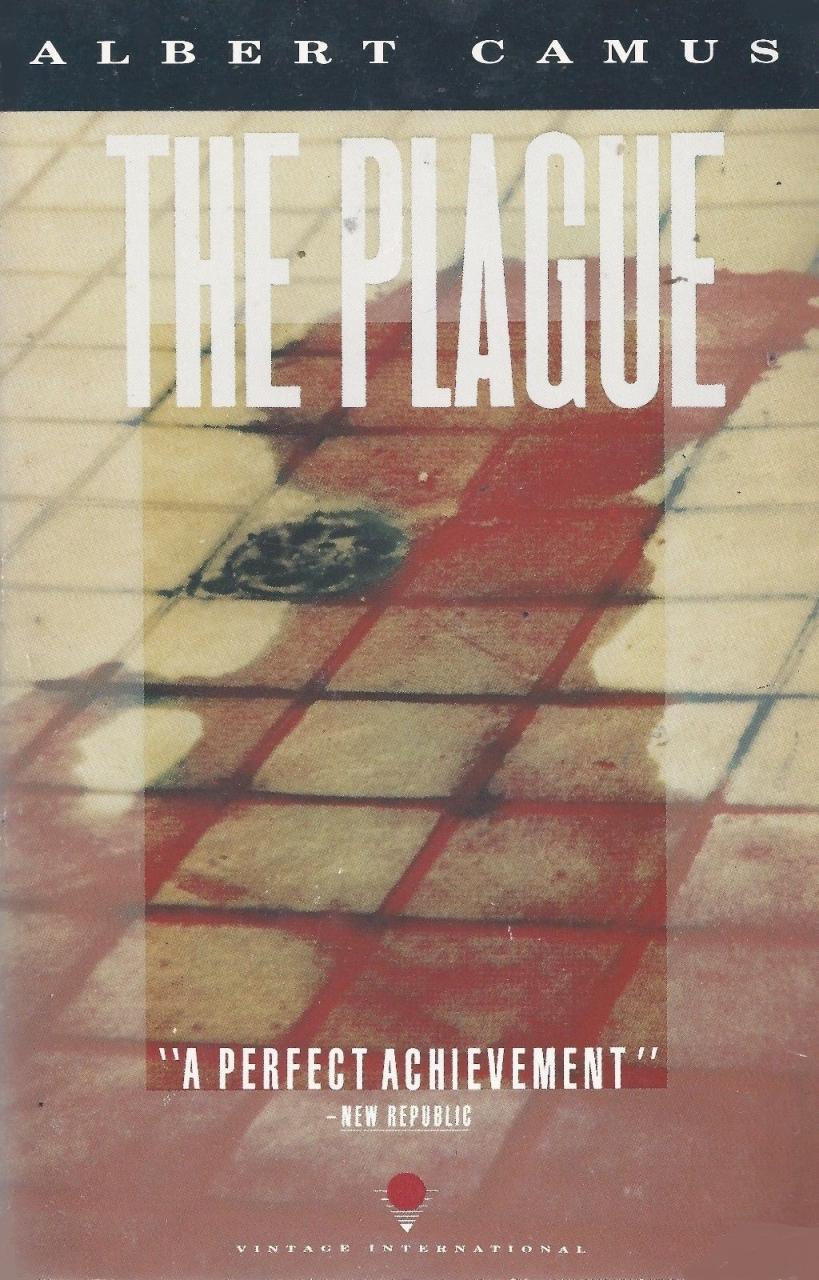
Title: The Plague
Published: 1947
Table of Contents
The Plague by Albert Camus: A Deep Dive into Humanity's Struggle Against Adversity
The Plague by Albert Camus, published in 1947, is a novel that delves into the existential struggles of human beings when faced with an epidemic. Set in the French Algerian city of Oran, the novel offers a poignant glimpse into the lives of individuals grappling with the physical and emotional toll of a deadly plague. Camus crafts a narrative that is both haunting and thought-provoking, exploring themes of mortality, resilience, and compassion.
The Characters
- Raoul: A minor character who plays a role in the unfolding events of the plague.
- Dr. Bernard Rieux: The protagonist of the novel, a doctor who valiantly battles the plague and provides medical care to the afflicted.
- Father Paneloux: A priest who grapples with the philosophical implications of the plague and the suffering it brings.
- Joseph Grand: A municipal clerk who struggles with his personal losses and the larger tragedy of the plague.
- Raymond Rambert: A journalist who becomes trapped in Oran and desperately seeks a way to escape.
- Jean Tarrou: A visitor to Oran who joins the fight against the plague and serves as a moral compass.
- Cottard: A shady character with a mysterious past who undergoes a transformation during the plague.
- M. Othon, Garcia, Gonzales, Dr. Castel, Dr. Richard: Minor characters who contribute to the narrative of the novel.
Detailed Summary
The Plague opens in the city of Oran, where the residents are oblivious to the impending disaster. The sudden outbreak of a deadly plague disrupts their lives, forcing them to confront their mortality and the fragility of human existence. Dr. Bernard Rieux, a dedicated physician, works tirelessly to treat the infected and alleviate their suffering. As the situation worsens, the city is placed under quarantine, and the residents are plunged into a state of panic and despair.
Amidst the chaos, Father Paneloux delivers sermons that grapple with the theological implications of the plague. Joseph Grand, a humble municipal clerk, mourns the loss of his wife and struggles to find meaning amid the devastation. Raymond Rambert, a journalist trapped in Oran, desperately seeks a way to escape and reunite with his loved ones. Jean Tarrou, a newcomer to the city, joins the fight against the plague and forms deep connections with the other characters.
As the plague ravages Oran, the residents are forced to confront their own mortality and the inevitability of death. Cottard, a shady figure with a dark past, finds redemption amidst the suffering and chaos. The narrative unfolds with a sense of inevitability, capturing the stark realities of human existence and the ways in which individuals respond to crisis.
Extensive Analysis
The Plague is often considered an existentialist classic, despite Camus' own objections to the label. The novel presents a stark portrayal of human powerlessness in the face of adversity, highlighting the ways in which individuals grapple with the uncertainties of life and death. Camus' writing style is reminiscent of Kafka, with each sentence carrying multiple layers of meaning and allegorical resonance.
Through the characters of Dr. Rieux, Father Paneloux, Joseph Grand, and others, Camus explores the complexities of human nature and the moral dilemmas that arise in times of crisis. The novel's narrative tone is at once understated and epic in scope, capturing the timeless struggle of humanity against the forces of destruction and despair.
The Plague serves as a poignant reminder of the fragility of human existence and the resilience of the human spirit. It is a masterfully crafted novel that speaks to the enduring power of compassion, courage, and solidarity in the face of overwhelming odds.
Final thoughts
The Plague by Albert Camus is a compelling exploration of the human condition in the face of adversity. Through its vivid characters and haunting narrative, the novel offers profound insights into the ways in which individuals confront death, suffering, and loss. Readers who appreciate thought-provoking literature that delves into the existential questions of life will find The Plague to be a rich and rewarding read.
If you enjoyed this summary, consider purchasing the complete book to experience the full depth and complexity of Camus' masterpiece. Alternatively, you can listen to the audiobook version for a captivating auditory experience.
Format: 308 pages, Paperback
Original Title: La Peste
Edition: March 1, 1991 by Vintage International
Swallows and Amazons Summary of Arthur Ransome's Book

The Moon Is a Harsh Mistress Summary of Robert A. Heinlein's Book

Franny and Zooey Summary of J.D. Salinger's Book

Tales of Ordinary Madness Summary of Charles Bukowski's Book

At the Mountains of Madness and Other Tales of Terror Summary of H.P. Lovecraft's Book

The Lover Summary of Marguerite Duras's Book
Related Books