

The Republic Summary of Plato's Book
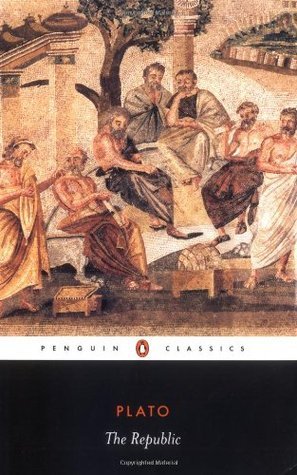
Plato's Dialogues #4
Title: The Republic
Published: 376
Table of Contents
The Republic by Plato: A Comprehensive Book Summary
Plato's "The Republic" is a timeless literary masterpiece that delves into profound philosophical concepts and explores the idea of a perfect society. First published on January 1, 376, this book belongs to the genres of Philosophy, Classics, and Nonfiction, making it a must-read for anyone interested in these subjects. The dialogue format of the book, with Socrates engaging in discussions with various characters, allows for a dynamic exploration of ideas and principles. Through thought-provoking conversations, Plato raises questions about the nature of reality, knowledge, morality, and the ideal state.
Characters
- Adeimantus: A character in the dialogue, Adeimantus is one of Socrates' interlocutors. He plays a significant role in challenging and expanding upon Socrates' ideas.
- Polemarchus: Another interlocutor in the dialogue, Polemarchus contributes to the philosophical debates by offering his perspectives and engaging in dialogue with Socrates.
- Cleitophon: Cleitophon is a character who participates in the discussions with Socrates, adding depth to the exploration of various philosophical themes.
- Socrates: The central figure in the dialogue, Socrates is a philosopher known for his wisdom and questioning nature. Through his conversations with the other characters, he leads the reader on a journey of intellectual discovery.
Detailed Summary
"The Republic" is presented as a dialogue between Socrates and his interlocutors, with the main focus being on the concept of a perfect community and the ideal individual within it. Throughout the conversation, Socrates and the other characters delve into various questions, such as the nature of goodness, reality, and knowledge. They also discuss the purpose of education and the roles of women and men as guardians of society.
One of the central themes of the book is the notion of justice and its role in creating a harmonious society. Socrates argues that justice is essential for both the individual and the state, as it leads to a balanced and ideal way of life. He suggests that a just society should be governed by philosopher kings, individuals who are wise and virtuous and capable of leading with wisdom and compassion.
As the dialogue unfolds, Socrates uses allegory and logic to illustrate his points and build his argument for the ideal state. Through thought experiments and hypothetical scenarios, he challenges the reader to think deeply about the nature of truth, morality, and the foundations of a just society. The text culminates in a vision of a utopian society governed by reason and guided by philosopher kings who prioritize the common good over individual interests.
Extensive Analysis
Plato's "The Republic" is a profound exploration of human nature, society, and the quest for an ideal way of life. Through the character of Socrates, Plato delves into complex philosophical concepts and challenges traditional beliefs and social norms. The dialogue format allows for a dynamic exchange of ideas and viewpoints, inviting the reader to engage critically with the text and consider the implications of the arguments presented.
One of the key themes of the book is the concept of the philosopher king, a ruler who is guided by reason and wisdom rather than personal gain or power. Plato argues that only through the leadership of such individuals can a society achieve true justice and harmony. By emphasizing the importance of education, virtue, and the pursuit of knowledge, Plato suggests that the ideal state is one that values wisdom and morality above all else.
The allegorical elements of the text add layers of complexity to the philosophical discussions, inviting readers to interpret and analyze the deeper meanings behind the dialogues. Plato's use of allegory serves to illuminate abstract concepts and convey complex ideas in a way that is accessible and thought-provoking.
Overall, "The Republic" is a thought-provoking and intellectually stimulating work that continues to resonate with readers across generations. Its exploration of justice, morality, and the nature of reality offers valuable insights into the human condition and the quest for a meaningful and fulfilling existence.
Final thoughts
To conclude, "The Republic" by Plato is a timeless classic that delves into profound philosophical questions and challenges readers to think critically about the nature of society and the individual. If you enjoyed this brief summary, I highly recommend purchasing the complete book to fully immerse yourself in Plato's insightful dialogue. Alternatively, consider listening to the audiobook version for a captivating and immersive experience.
Remember, the wisdom and knowledge contained within "The Republic" have the power to inspire and enlighten readers from all walks of life. Dive into the world of philosophy and join Socrates on a journey of intellectual discovery and contemplation.
9780140449143 (ISBN10: 0140449140)
Format: 416 pages, Paperback
Original Title: Πολιτεία
Edition: February 25, 2003 by Penguin Classics
Swallows and Amazons Summary of Arthur Ransome's Book

The Moon Is a Harsh Mistress Summary of Robert A. Heinlein's Book

Franny and Zooey Summary of J.D. Salinger's Book

Tales of Ordinary Madness Summary of Charles Bukowski's Book

At the Mountains of Madness and Other Tales of Terror Summary of H.P. Lovecraft's Book

The Lover Summary of Marguerite Duras's Book
Related Books