

The Samurai's Garden Summary of Gail Tsukiyama's Book
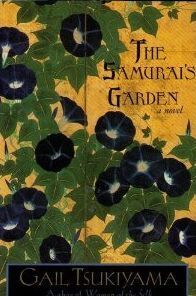
Title: The Samurai's Garden
Published: 1994
Table of Contents
The Samurai's Garden by Gail Tsukiyama: A Tale of Healing and Spiritual Growth
Set in a Japanese coastal village, The Samurai's Garden by Gail Tsukiyama is a poignant tale of healing and spiritual growth. First published on May 4, 1994, this historical fiction novel takes us on a journey with a 20-year-old Chinese painter named Stephen. Sent to his family's summer home to recover from tuberculosis, Stephen finds solace and guidance in the company of Matsu, a reticent housekeeper and master gardener. Through his interactions with Matsu and other characters, Stephen discovers profound truths about life, love, and the human spirit.
Characters
- Stephen: A young Chinese painter who is sent to his family's summer home to recover from tuberculosis. Throughout the novel, Stephen undergoes a transformation, both physically and spiritually, as he learns from the wisdom of Matsu and others.
- Matsu: The reticent housekeeper and master gardener who cares for Stephen during his time in the village. Matsu is a samurai of the soul, devoted to doing good and finding beauty in a world filled with cruelty and adversity.
- Kenzo: Stephen's father, who plays a role in sending Stephen to the village to recover. While not physically present throughout most of the novel, Kenzo's influence is felt through Stephen's reflections on their strained relationship.
- Sachi: A gentle woman afflicted with leprosy and Matsu's soulmate. Sachi's story is one of resilience and grace in the face of illness and societal stigma.
- Keiko: A young girl who befriends Stephen during his time in the village. Keiko provides companionship and support to Stephen, helping him navigate his emotions and experiences.
Detailed Summary
As the novel unfolds, we witness Stephen's gradual recovery and growth under Matsu's care. Through their conversations and shared moments in the garden, Stephen gains valuable insights into life, nature, and the human spirit. Matsu's teachings and the presence of other characters like Sachi and Keiko further deepen Stephen's understanding of the world around him.
Throughout his stay in the village, Stephen learns about Matsu and Sachi's deep connection and the challenges they face due to Sachi's illness. Despite the hardships they endure, Matsu and Sachi's love and resilience serve as a source of inspiration for Stephen, shaping his own beliefs and values.
As Stephen continues to explore the village and its surroundings, he encounters both beauty and suffering. Through these experiences, he comes to appreciate the fleeting nature of life and the importance of finding peace and joy in the present moment.
Analysis
The Samurai's Garden is a beautifully crafted novel that explores themes of love, loss, healing, and spiritual growth. Through the characters of Stephen, Matsu, Sachi, and others, author Gail Tsukiyama paints a vivid portrait of a world filled with both darkness and light.
At its core, the novel is a meditation on the power of inner strength and resilience in the face of adversity. Matsu's wisdom and grace serve as a guiding light for Stephen, inspiring him to embrace life's challenges with courage and compassion.
The setting of the Japanese coastal village adds a sense of timelessness and tranquility to the story, creating a backdrop that enhances the novel's themes of nature, beauty, and the interconnectedness of all living beings.
Overall, The Samurai's Garden is a powerful and moving exploration of the human spirit and the enduring power of love and friendship. It is a novel that reminds us of the importance of finding beauty and meaning in the most unexpected places, and of the profound impact that kindness and generosity can have on our lives.
To conclude, The Samurai's Garden is a must-read for fans of historical fiction, Japan, and stories of personal growth and transformation. If you enjoyed this brief summary, I highly recommend picking up a copy of the complete book to fully immerse yourself in the rich tapestry of characters, emotions, and themes that Gail Tsukiyama has woven together.
So, whether you choose to read the physical book or listen to the audiobook version, I hope you find as much inspiration and joy in The Samurai's Garden as I did. Happy reading!
9780312144074 (ISBN10: 0312144075)
Format: 211 pages, Paperback
Original Title: The Samurai's Garden
Edition: May 4, 1995 by St. Martin's Griffin
Narcopolis Summary of Jeet Thayil's Book

Genghis Khan and the Making of the Modern World Summary of Jack Weatherford's Book

Snow Country Summary of Yasunari Kawabata's Book

Noble House Summary of James Clavell's Book

The Vegetarian Summary of Han Kang's Book

The Journeyer Summary of Gary Jennings's Book
Related Books