

The Tragedy of Man Summary of Imre Madách's Book
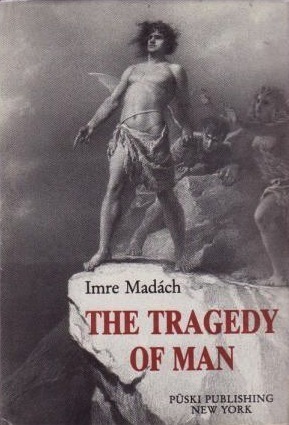
Title: The Tragedy of Man
Published: 1860
Table of Contents
The Tragedy of Man by Imre Madách: A Comprehensive Book Summary
Imre Madách's The Tragedy of Man, first published in 1860, is a literary masterpiece that delves into the depths of human existence and the eternal struggle between good and evil. This intriguing play, composed in verse, follows the characters of Adam and Eve as they navigate through various epochs of history, confronting their inner demons and striving for self-awareness and wisdom. Set against the backdrop of universal themes and moral dilemmas, this classic work of Hungarian literature continues to captivate audiences worldwide with its profound insights and thought-provoking narrative.
Characters
Eve: The character of Eve represents the essence of humanity, embodying both the virtues and vices that define the human experience. Throughout the play, Eve grapples with her own desires and ambitions, often torn between her search for knowledge and the consequences of her actions.
Adam: As Eve's counterpart, Adam symbolizes the struggle for identity and existential purpose. Adam's journey mirrors that of humanity itself, as he confronts his own limitations and seeks enlightenment in the face of adversity.
Detailed Summary
In The Tragedy of Man, Imre Madách weaves a complex tapestry of historical episodes that showcase the evolution of Adam and Eve's characters. From the biblical Garden of Eden to ancient Greece, Rome, and beyond, the protagonists embark on a series of adventures that test their resolve and challenge their beliefs.
As Adam and Eve traverse through time, they encounter a cast of captivating characters and explore diverse philosophical concepts. From the temptations of power and wealth to the pursuit of knowledge and enlightenment, the protagonists grapple with their own moral dilemmas and confront the darker aspects of human nature.
Through a series of thought-provoking dialogues and poignant monologues, Madách invites readers to ponder the timeless questions of existence and the nature of good and evil. As the protagonists navigate through the complexities of history, they ultimately come to understand the futility of their desires and the inevitability of their tragic fate.
Analysis
At its core, The Tragedy of Man is a profound meditation on the human condition and the eternal struggle for self-discovery and enlightenment. Through the characters of Adam and Eve, Imre Madách explores the complexities of human nature and the inherent contradictions that define our existence.
By juxtaposing the protagonists against a backdrop of historical epochs and cultural settings, Madách invites readers to reflect on the cyclical nature of human history and the enduring themes of power, ambition, and morality. Through the lens of Adam and Eve's journey, the play challenges conventional notions of morality and offers a nuanced perspective on the complexities of human behavior.
Ultimately, The Tragedy of Man serves as a poignant reminder of the fragility of human nature and the eternal quest for meaning and purpose in a world defined by chaos and uncertainty. With its timeless themes and philosophical insights, this classic work of Hungarian literature continues to resonate with readers of all ages and backgrounds.
To conclude, The Tragedy of Man is a captivating and thought-provoking masterpiece that transcends time and cultural boundaries. Imre Madách's eloquent verse and profound insights make this play a must-read for anyone seeking a deeper understanding of the human experience and the complexities of morality and existentialism.
If you enjoyed this summary, we highly recommend purchasing the complete book or listening to the audiobook to fully immerse yourself in the world of The Tragedy of Man and explore the rich tapestry of themes and ideas it has to offer. Happy reading!
9789631345339 (ISBN10: 9631345335)
Format: 272 pages, Paperback
Original Title: Az ember tragédiája
Edition: January 1, 1998 by Corvina Books
Swallows and Amazons Summary of Arthur Ransome's Book

The Moon Is a Harsh Mistress Summary of Robert A. Heinlein's Book

Franny and Zooey Summary of J.D. Salinger's Book

Tales of Ordinary Madness Summary of Charles Bukowski's Book

At the Mountains of Madness and Other Tales of Terror Summary of H.P. Lovecraft's Book

The Lover Summary of Marguerite Duras's Book
Related Books