

The Trial and Death of Socrates Summary of Plato's Book
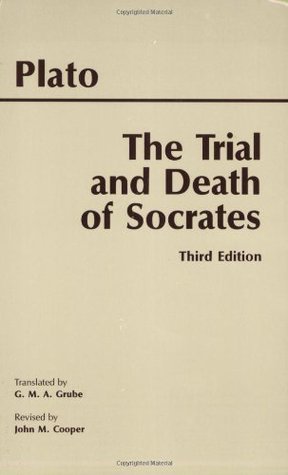
Title: The Trial and Death of Socrates
Published: 401
Table of Contents
The Trial and Death of Socrates by Plato: An In-Depth Analysis
In the world of philosophy, few figures stand out as prominently as Socrates. His teachings, his methods of inquiry, and his willingness to challenge the status quo have left an indelible mark on Western thought. One of the most notable accounts of Socrates' life and death comes from his student Plato in the book "The Trial and Death of Socrates." Originally published in 401 BC, this collection of dialogues provides a glimpse into the final days of Socrates, as well as his enduring legacy.
Characters
- Socrates: The central figure in the book, Socrates is a philosopher known for his relentless pursuit of truth and his commitment to questioning conventional wisdom.
Detailed Summary
Plato's "The Trial and Death of Socrates" consists of three dialogues: Apology, Crito, and Phaedo. In the Apology, Socrates defends himself against charges of corrupting the youth of Athens and impiety. Despite his eloquent defense, he is ultimately sentenced to death by drinking poison.
In Crito, Socrates is visited by his friend Crito, who urges him to escape from prison and avoid his impending execution. However, Socrates argues that it would be unjust to disobey the laws of the state, even if they have condemned him unjustly.
The final dialogue, Phaedo, takes place on the day of Socrates' execution. Surrounded by his friends and disciples, Socrates engages in a profound discussion on the nature of the soul, the afterlife, and the immortality of the soul. As he drinks the hemlock that will end his life, Socrates remains steadfast in his commitment to reason and virtue.
Analysis
Through the dialogues in "The Trial and Death of Socrates," Plato presents a vivid portrait of his teacher and mentor. Socrates emerges as a man of unwavering integrity, who values intellectual inquiry above all else. His willingness to face death rather than compromise his principles inspires admiration and respect.
Plato uses these dialogues to explore fundamental questions about justice, morality, and the nature of reality. Through Socrates' conversations with his interlocutors, readers are invited to consider their own beliefs and assumptions, and to engage in the process of critical thinking.
The legacy of Socrates, as portrayed in "The Trial and Death of Socrates," extends far beyond his own time. His commitment to truth-seeking, his willingness to challenge authority, and his belief in the power of reason have influenced generations of philosophers, scholars, and thinkers.
Final thoughts
"The Trial and Death of Socrates" by Plato is a timeless exploration of the life and teachings of one of history's most influential philosophers. Through engaging dialogues and thought-provoking discussions, Plato invites readers to reflect on the nature of justice, morality, and the human condition.
If you are interested in philosophy, ethics, or the history of ideas, "The Trial and Death of Socrates" is a must-read. To fully appreciate the depth and richness of Plato's work, consider purchasing the complete book or listening to the audiobook for a more immersive experience. Socrates' legacy lives on through his words and ideas, challenging us to continue seeking truth and wisdom in our own lives.
9780872205543 (ISBN10: 0872205541)
Format: 58 pages, Paperback
Original Title: Εὐθύφρων, Απολογία Σωκράτους, Κρίτων, Φαίδων
Edition: June 1, 2001 by Hackett Publishing Company
Swallows and Amazons Summary of Arthur Ransome's Book

The Moon Is a Harsh Mistress Summary of Robert A. Heinlein's Book

Franny and Zooey Summary of J.D. Salinger's Book

Tales of Ordinary Madness Summary of Charles Bukowski's Book

At the Mountains of Madness and Other Tales of Terror Summary of H.P. Lovecraft's Book

The Lover Summary of Marguerite Duras's Book
Related Books