

The War of the End of the World <div>Summary of Mario Vargas Llosa's Book</div>
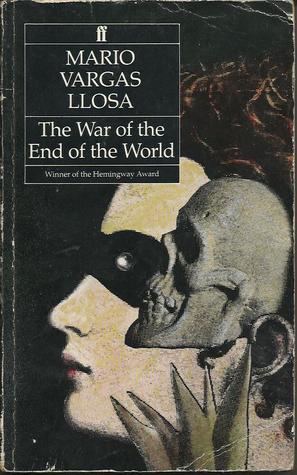
Title: The War of the End of the World
Published: 1981
Table of Contents
The War of the End of the World by Mario Vargas Llosa: An Epic Tale of Apocalypse and Rebellion
Mario Vargas Llosa's "The War of the End of the World" is a sweeping historical novel that transports readers to a tumultuous period in Brazilian history. First published on October 1, 1981, this literary masterpiece blends fiction with real historical events, bringing to life the gripping story of an apocalyptic movement in the remote town of Canudos. Through vivid storytelling and complex characters, Vargas Llosa weaves a tale of rebellion, prophecy, and the fight for freedom.
Characters
The novel is rich with a diverse cast of characters who play pivotal roles in the unfolding drama of Canudos. Some of the key characters include:
1. Antônio Conselheiro: A mysterious prophet who leads the apocalyptic movement in Canudos.
2. Galileo Gall: A former slave who becomes one of Conselheiro's most loyal followers.
3. Maria Quadrado: A prostitute who finds redemption and purpose in the movement.
4. Pajeú: A young boy who witnesses the events in Canudos unfold before his eyes.
5. Eusebio: A bandit who joins the ranks of the rebels, seeking a new life free from oppression.
These characters, among others, bring the story of Canudos to life, each with their own motivations, fears, and hopes.
Detailed Summary
"The War of the End of the World" is set in the late 19th century in the backlands of Brazil, where a charismatic prophet named Antônio Conselheiro begins to gather followers and establish a community in Canudos. Conselheiro preaches a message of liberation and spiritual renewal, attracting a diverse group of people including prostitutes, beggars, and bandits.
As the movement grows, tensions with the Brazilian government escalate, leading to a bloody conflict known as the War of Canudos. The government sends a military expedition to quell the rebellion, but the rebels, led by Conselheiro, put up a fierce resistance. The novel follows the lives of the characters caught up in the conflict, exploring themes of faith, power, and the struggle for freedom.
Analysis
Vargas Llosa masterfully depicts the complexity of human nature and the brutality of war in "The War of the End of the World." Through the lens of the Canudos rebellion, he explores issues of class, religion, and politics, shedding light on the dynamics of power and resistance. The novel raises questions about the nature of belief, the impact of historical forces on individual lives, and the complexities of human relationships.
Vargas Llosa's writing is rich in detail and historical context, providing readers with a vivid portrait of a little-known chapter in Brazilian history. His prose is both lyrical and gritty, capturing the harsh realities of life in the backlands and the fervor of the rebel movement. Through the lives of his characters, Vargas Llosa delves deep into the human psyche, revealing the depths of despair, hope, and resilience.
Overall, "The War of the End of the World" is a thought-provoking and emotionally gripping novel that challenges readers to reflect on the nature of power, faith, and rebellion. It is a testament to the power of storytelling and the enduring impact of historical events on the lives of individuals.
Final thoughts
If you are a fan of historical fiction that delves into the complexities of human nature and the struggles for freedom, "The War of the End of the World" by Mario Vargas Llosa is a must-read. This epic tale of apocalypse and rebellion will transport you to a world of prophecy, war, and redemption, leaving you with a deep appreciation for the power of storytelling.
To fully immerse yourself in the world of Canudos, we encourage you to purchase the complete book or listen to the audiobook, where Mario Vargas Llosa's masterful storytelling comes to life in all its glory. So sit back, relax, and let yourself be swept away by this unforgettable novel.
9780571139613 (ISBN10: 0571139612)
Format: 568 pages, Paperback
Edition: January 1, 1986 by Faber Faber Inc
Peak Summary of Roland Smith's Book

Assassin's Quest Summary of Robin Hobb's Book

The Absolute Sandman, Volume 1 Summary of Neil Gaiman's Book

The Narrow Road to the Deep North Summary of Richard Flanagan's Book

The Girls in the Garden Summary of Lisa Jewell's Book

Boyfriend Material Summary of Alexis Hall's Book
Related Books