

The White Album Summary of Joan Didion's Book
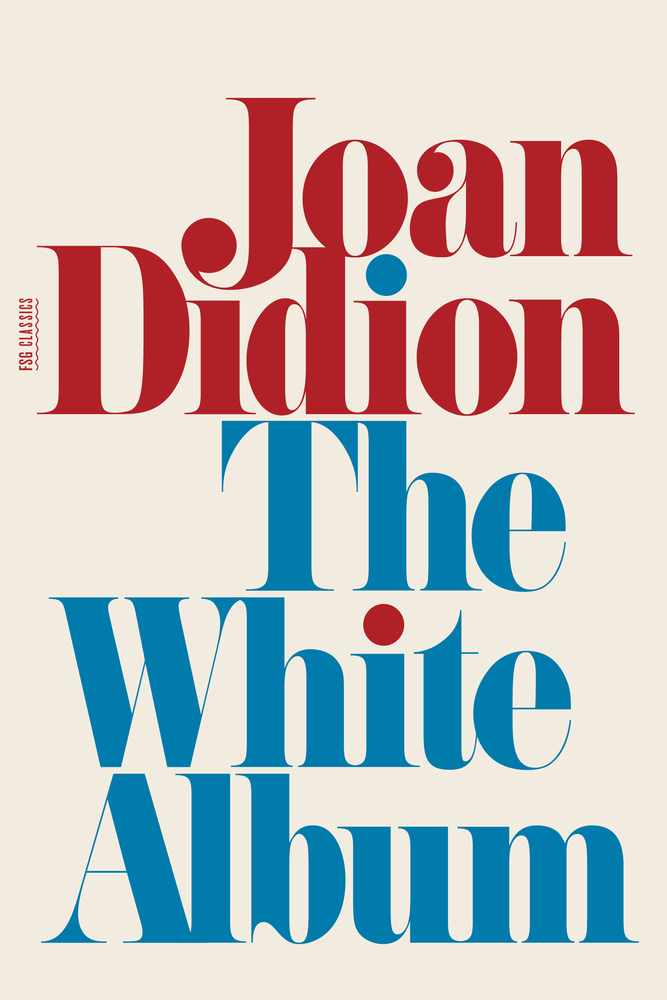
Title: The White Album
Published: 1979
Table of Contents
The White Album by Joan Didion: A Timeless Exploration of the 1960s
First published in 1979, The White Album by Joan Didion is a collection of essays that offers a poignant reflection on the tumultuous events of the 1960s. This nonfiction memoir delves into the cultural upheavals, political turmoil, and personal introspection that defined an era of radical change in America. With her signature blend of sharp observation and lyrical prose, Didion examines not only the external chaos of the time but also her own internal struggles, resulting in a powerful and thought-provoking exploration of identity, power, and decay.
Characters
Joan Didion: As the author and narrator of The White Album, Joan Didion serves as the central figure in the book. Through her introspective and analytical lens, she navigates the complexities of the 1960s with a keen eye for detail and a profound sense of self-awareness.
Detailed Summary
In The White Album, Joan Didion takes readers on a journey through the highs and lows of the 1960s, exploring key events, figures, and trends that shaped the decade. From the rise of Charles Manson and the Manson Family to the radical politics of the Black Panthers, Didion provides a comprehensive overview of the era's most significant cultural moments. Through a series of interconnected essays, she delves into the impact of these events on both society at large and on her own personal experiences.
One of the most powerful aspects of The White Album is Didion's ability to seamlessly weave together the personal and the political. By intertwining her own struggles with anxiety and disillusionment with the broader social upheaval of the time, she creates a narrative that is at once intimate and universal. Each essay serves as a snapshot of a particular moment in history, offering readers a glimpse into the complexities of a decade defined by change and uncertainty.
Analysis
At its core, The White Album is a meditation on the nature of power and control. Through her exploration of events such as the Manson murders and the student protests at Berkeley, Didion delves into the ways in which individuals and institutions seek to exert influence over others. She interrogates the idea of chaos and order, of freedom and constraint, ultimately painting a portrait of a society grappling with its own contradictions.
Furthermore, Didion's prose is marked by a sense of detachment that serves to highlight the emotional weight of the subjects she discusses. Her cool, measured tone belies a deep well of feeling, allowing readers to connect with her on a visceral level. This emotional authenticity is what makes The White Album such a compelling read, as Didion invites us to confront our own fears, desires, and uncertainties alongside her.
To conclude, The White Album is a masterful work of nonfiction that continues to resonate with readers today. By combining personal reflection with incisive analysis, Joan Didion offers a unique perspective on one of the most tumultuous decades in American history. Whether you are a longtime fan of Didion's work or a newcomer to her writing, The White Album is a must-read for anyone interested in delving deeper into the complexities of the 1960s and beyond.
If you enjoyed this summary, we encourage you to purchase the complete book or listen to the audiobook for the full experience of Joan Didion's eloquent and timeless exploration of the 1960s.
9780374532079 (ISBN10: 0374532079)
Format: 224 pages, Paperback
Original Title: The White Album
Edition: November 10, 2009 by FSG Adult
Swallows and Amazons Summary of Arthur Ransome's Book

The Moon Is a Harsh Mistress Summary of Robert A. Heinlein's Book

Franny and Zooey Summary of J.D. Salinger's Book

Tales of Ordinary Madness Summary of Charles Bukowski's Book

At the Mountains of Madness and Other Tales of Terror Summary of H.P. Lovecraft's Book

The Lover Summary of Marguerite Duras's Book
Related Books