

The Word for World Is Forest Summary of Ursula K. Le Guin's Book
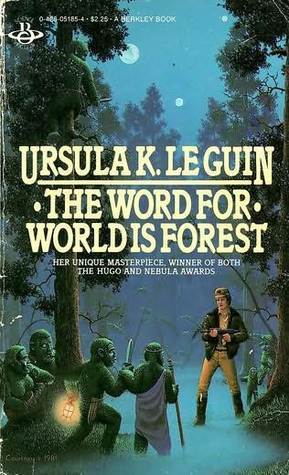
Hainish Cycle #5
Title: The Word for World Is Forest
Published: 1972
Table of Contents
The Word for World Is Forest by Ursula K. Le Guin: A Comprehensive Mega-Article
The Word for World Is Forest, part of Ursula K. Le Guin's renowned Hainish Cycle series, is a powerful work of science fiction that delves into themes of ecology, colonialism, and the destructive impact of human intervention on other worlds. First published on March 17, 1972, this novel showcases Le Guin's visionary imagination and profound insight into the complexities of human nature.
Characters
Dr. Raj Lyubov - A human ecologist who is part of the expedition to the planet Atshe. Lyubov serves as an observer of the Athsheans and comes to understand the devastating consequences of the colonizers' actions.
Captain Don Davidson - The leader of the Earthmen who come to Atshe. Davidson represents the colonial mindset and is determined to exploit the resources of the planet without regard for its native inhabitants.
Selver Thele - An Athshean who becomes a central figure in the novel. Selver's experiences with the Earthmen lead him to take drastic actions to protect his people and their way of life.
Detailed Summary
The Word for World Is Forest is set on the planet Atshe, where the native Athsheans live in harmony with their environment. The arrival of the Earthmen, led by Captain Davidson, disrupts this delicate balance as they begin to clear-cut the forests and enslave the Athsheans for labor. Dr. Lyubov, initially an impartial observer, becomes increasingly troubled by the actions of his fellow humans and forms a bond with Selver, an Athshean who has suffered greatly at the hands of the colonizers.
As tensions escalate between the Athsheans and the Earthmen, Selver takes matters into his own hands and leads a violent uprising against the oppressors. The novel culminates in a confrontation that forces both sides to confront the consequences of their actions and the value of respecting the interconnectedness of all life.
Extensive Analysis
In The Word for World Is Forest, Le Guin explores the themes of imperialism, environmental degradation, and the morality of cultural exchange. The novel serves as a cautionary tale about the damaging effects of exploiting and dominating other cultures and ecosystems for personal gain. Through the character of Selver, Le Guin highlights the resilience and spirit of resistance that can arise in the face of oppression.
The title of the novel itself, "The Word for World Is Forest," encapsulates the central idea that the natural world is not merely a resource to be exploited but a living, breathing entity that must be respected and protected. Le Guin's prose is as lyrical as it is thought-provoking, inviting readers to contemplate the interconnectedness of all life forms and the responsibility that comes with being a steward of the planet.
Overall, The Word for World Is Forest is a powerful work of speculative fiction that challenges readers to reconsider their relationship with the natural world and confront the implications of unchecked colonialism. Le Guin's masterful storytelling and deep thematic exploration make this novel a standout in the science fiction genre.
Final thoughts
If you are a fan of thought-provoking science fiction that grapples with complex issues of ecology, colonization, and resistance, The Word for World Is Forest is a must-read. This novel will immerse you in a richly imagined world and leave you pondering the impact of human actions on the environment and other sentient beings.
To fully experience the depth and nuance of Le Guin's storytelling, I highly recommend picking up a copy of The Word for World Is Forest or listening to the audiobook version. It is a journey worth taking for any lover of speculative fiction and philosophical exploration.
Format: 160 pages, ebook
Original Title: The Word for World Is Forest
Edition: May 15, 1989
Swallows and Amazons Summary of Arthur Ransome's Book

The Moon Is a Harsh Mistress Summary of Robert A. Heinlein's Book

Franny and Zooey Summary of J.D. Salinger's Book

Tales of Ordinary Madness Summary of Charles Bukowski's Book

At the Mountains of Madness and Other Tales of Terror Summary of H.P. Lovecraft's Book

The Lover Summary of Marguerite Duras's Book
Related Books