

The World of Yesterday Summary of Stefan Zweig's Book
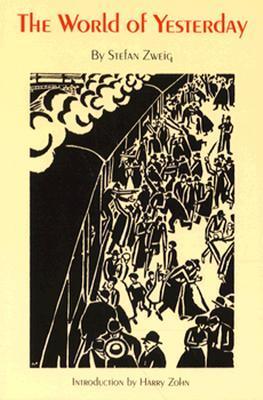
Title: The World of Yesterday
Published: 1942
Table of Contents
Exploring the World of Yesterday: Stefan Zweig's Memoir
An Introduction to The World of Yesterday
Stefan Zweig's memoir, The World of Yesterday, takes readers on a journey through the tumultuous times of the late Austro-Hungarian Empire, the interwar period, and the rise of Adolf Hitler. Published in 1942, just before the author tragically took his own life, this book has since become a classic in the memoir genre. With its vivid descriptions and poignant reflections, The World of Yesterday provides a unique glimpse into a world that was lost to the ravages of war and fascism.
The Characters
The memoir is populated by several key figures who played significant roles in Zweig's life. Romain Rolland, the renowned French writer and Nobel laureate, was a close friend and confidante of Zweig. Their intellectual discussions and shared ideals form a central part of the narrative, offering insights into the cultural and political landscape of the time.
Of course, the memoir's protagonist is none other than Stefan Zweig himself. A celebrated Austrian writer and socialite, Zweig's experiences and observations serve as the lens through which readers explore the historical events and personal anecdotes detailed in the book. His introspective voice conveys a sense of nostalgia and melancholy, as he looks back on a world that has been forever changed.
And then, there is the ominous presence of Adolf Hitler, whose rise to power casts a dark shadow over the narrative. Zweig's firsthand accounts of witnessing the Nazi regime's impact on Europe provide a chilling reminder of the dangers of totalitarianism and intolerance. Hitler's tyranny looms large in the memoir, underscoring the fragility of civilization and the destructive forces of war.
A Detailed Summary
The World of Yesterday opens with a nostalgic look back at Vienna, the vibrant cultural hub of the late 19th and early 20th centuries. Zweig fondly recalls the city's intellectual salons, artistic circles, and political debates, painting a vivid picture of a bygone era. As he delves into his childhood and early years, readers are drawn into a world of elegance, creativity, and social change.
The memoir then shifts its focus to the aftermath of World War I and the dissolution of the Austro-Hungarian Empire. Zweig reflects on the rise of nationalism, the growing tensions in Europe, and the sense of disillusionment that permeated society. Against this backdrop, he chronicles his own literary success, international travels, and encounters with fellow writers and intellectuals.
As the narrative progresses, Zweig's tone becomes more somber, as he recounts the rapid descent into darkness that marked the 1930s. The looming specter of Hitler and the specter of war hang over Europe, casting a pall over the continent. Zweig's descriptions of the Nazi regime's brutality, propaganda, and persecution are chilling reminders of the horrors of totalitarianism.
The memoir culminates in Zweig's decision to flee Europe and seek refuge in exile. His poignant reflections on the loss of his homeland, the destruction of European civilization, and the tragic toll of war offer a powerful commentary on the human cost of political upheaval. The World of Yesterday serves as both a personal testament and a historical document, capturing the essence of a world on the brink of cataclysm.
An Extensive Analysis
The World of Yesterday is more than just a memoir; it is a meditation on the nature of memory, identity, and history. Zweig's narrative style combines personal recollections with historical analysis, blurring the lines between the individual and the collective experience. Through his evocative prose and introspective reflections, he creates a tapestry of emotions and ideas that resonate with readers on a deep level.
One of the memoir's central themes is the idea of cultural memory and its significance in shaping individual and collective identity. Zweig's nostalgic remembrances of Vienna, with its coffeehouses, museums, and theaters, evoke a sense of loss and longing for a world that has vanished. His descriptions of the cultural richness and diversity of pre-war Europe highlight the importance of preserving traditions and fostering creativity in the face of adversity.
Moreover, The World of Yesterday serves as a cautionary tale about the dangers of totalitarianism and intolerance. Zweig's firsthand accounts of the rise of Hitler and the spread of fascism underscore the fragility of democracy and the need to defend human rights and freedom. His reflections on the role of intellectuals and artists in resisting oppression and promoting dialogue offer timely lessons for contemporary readers.
To conclude, The World of Yesterday is a poignant and powerful memoir that captures the spirit of a lost era and the enduring legacy of human resilience. Stefan Zweig's profound insights and eloquent prose make this book a timeless classic that continues to resonate with readers today.
Final thoughts
If you are interested in exploring the world of early 20th-century Europe through the eyes of a brilliant writer and thinker, then The World of Yesterday is a must-read. To truly appreciate the depth and beauty of Zweig's memoir, I highly recommend purchasing the complete book or listening to the audiobook. Immerse yourself in a world of nostalgia, history, and reflection with The World of Yesterday.
9780803252240 (ISBN10: 0803252242)
Format: 455 pages, Paperback
Original Title: Die Welt von Gestern
Edition: January 1, 1964 by University of Nebraska Press
Zeitoun Summary of Dave Eggers's Book

To Hell and Back Summary of Audie Murphy's Book

The Seven Storey Mountain Summary of Thomas Merton's Book

The Power Broker: Robert Moses and the Fall of New York Summary of Robert A. Caro's Book

Truman Summary of David McCullough's Book

Mountains Beyond Mountains: The Quest of Dr. Paul Farmer, a Man Who Would Cure the World Summary of Tracy Kidder's Book
Related Books