

The Wretched of the Earth <div>Summary of Frantz Fanon's Book</div>
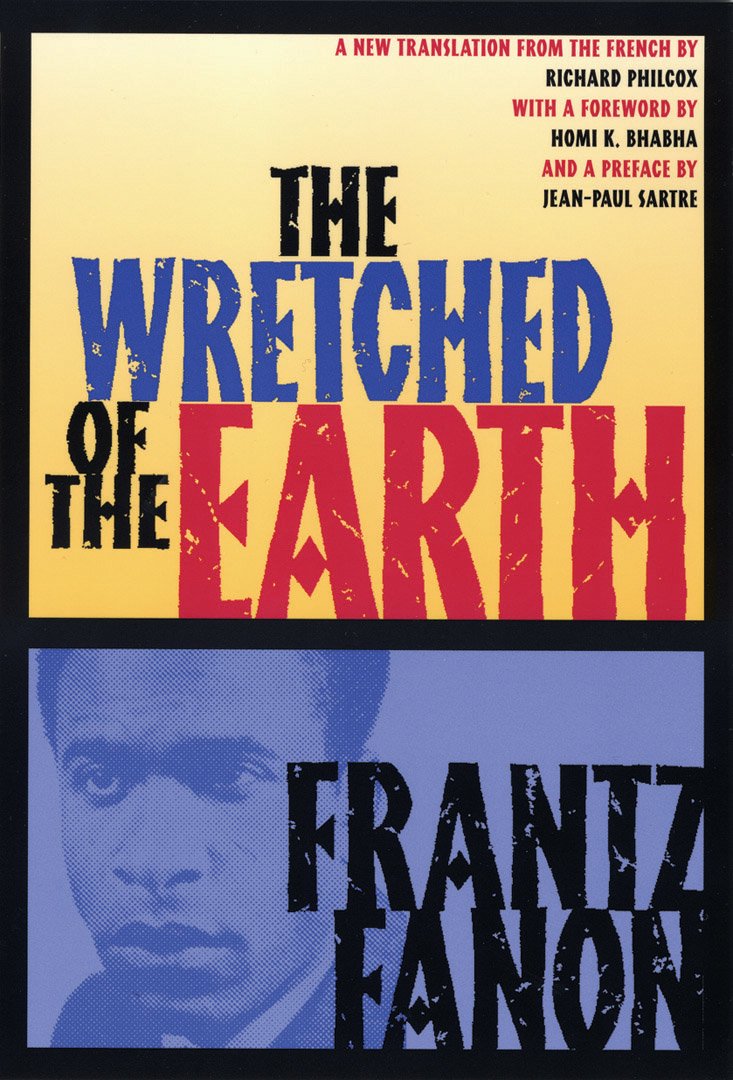
Title: The Wretched of the Earth
Published: 1961
Table of Contents
The Wretched of the Earth: A Revolutionary Masterpiece by Frantz Fanon
Frantz Fanon's "The Wretched of the Earth," published in 1961, is a seminal work that delves into the psychological effects of colonization on the oppressed and their quest for liberation. As a psychiatrist from Martinique who actively participated in the Algerian Nationalist Movement, Fanon brings a unique perspective to his analysis of colonialism, revolution, and racial inequality. This book has had a profound impact on political movements globally and continues to be relevant in contemporary discussions of decolonization and social justice.
Characters
The book does not revolve around specific characters in a traditional sense, but rather explores the collective experiences of colonized peoples and their struggles for emancipation. Fanon draws upon his own observations and interactions with individuals from various colonized regions to illuminate the psychological and sociopolitical dynamics at play in the fight against imperial oppression. Through vivid anecdotes and incisive analysis, Fanon paints a vivid picture of the challenges faced by those seeking liberation from the shackles of colonialism.
Detailed Summary
"The Wretched of the Earth" is divided into several sections that address different aspects of colonization, revolution, and post-independence challenges. Fanon begins by examining the psychological effects of colonialism on the oppressed, highlighting the dehumanizing impact of being subjected to racial discrimination and systematic exploitation. He delves into the deep-seated anger and frustration that simmer beneath the surface of colonized societies, emphasizing the importance of recognizing and channeling these emotions towards revolutionary action.
As the book progresses, Fanon explores the role of violence in effecting social change, arguing that the oppressed must reclaim their agency through acts of resistance. He critiques the post-independence elites who often perpetuate the same oppressive structures that existed under colonial rule, warning against the dangers of cooptation and betrayal of revolutionary ideals. Fanon also addresses the internal divisions and conflicts that plague newly liberated nations, stressing the need for unity and solidarity among the marginalized masses.
Throughout his analysis, Fanon offers practical insights and strategies for leaders of emerging nations to avoid the pitfalls of neocolonialism and foster genuine transformation. He envisions a future where the wretched of the earth rise up against their oppressors and build a more just and equitable society for all. Fanon's vision of liberation is both inspirational and thought-provoking, challenging readers to reexamine their own complicity in systems of domination and envision a more inclusive and liberated world.
Extensive Analysis
Fanon's "The Wretched of the Earth" is a groundbreaking work that continues to resonate with readers today. His sharp critique of colonialism and his keen insights into the psychology of oppression offer valuable lessons for those engaged in struggles for social justice and decolonization. Fanon's emphasis on the transformative power of violence as a means of resistance has sparked controversy and debate, with some critics accusing him of advocating for extremism. However, it is important to contextualize Fanon's arguments within the broader historical and political realities of his time, where peaceful resistance often failed to bring about meaningful change.
One of the most compelling aspects of Fanon's analysis is his emphasis on the agency and dignity of the oppressed, as well as the imperative of collective action in dismantling systems of oppression. By centering the experiences and voices of the marginalized, Fanon challenges readers to confront their own privilege and complicity in perpetuating injustice. His call for radical solidarity and revolutionary praxis remains as relevant today as it was in the 1960s, inspiring a new generation of activists and intellectuals to continue the struggle for liberation.
Final thoughts
To conclude, "The Wretched of the Earth" is a timeless classic that deserves a place on every bookshelf. Frantz Fanon's incisive analysis of colonialism, revolution, and liberation offers valuable insights for contemporary readers grappling with issues of inequality, discrimination, and social change. Whether you are interested in political theory, history, or social justice, this book is a must-read for anyone seeking a deeper understanding of the roots of oppression and the possibilities for resistance.
If you enjoyed this summary, I highly recommend purchasing the complete book to delve deeper into Fanon's revolutionary ideas. Alternatively, you can also listen to the audiobook for a convenient and immersive experience. "The Wretched of the Earth" remains a powerful testament to the resilience and courage of those who dare to challenge the status quo and envision a better world for all.
9780802141323 (ISBN10: 0802141323)
Format: 251 pages, Paperback
Original Title: Les Damnés de la terre
Edition: March 12, 2005 by Grove Press
Going Clear: Scientology, Hollywood, and the Prison of Belief Summary of Lawrence Wright's Book

The Omnivore's Dilemma: A Natural History of Four Meals Summary of Michael Pollan's Book

The Power Broker: Robert Moses and the Fall of New York Summary of Robert A. Caro's Book

Truman Summary of David McCullough's Book

The Decline and Fall of the Roman Empire Summary of Edward Gibbon's Book

Flags of Our Fathers Summary of James D. Bradley's Book
Related Books