

To Kill a Mockingbird Summary of Harper Lee's Book
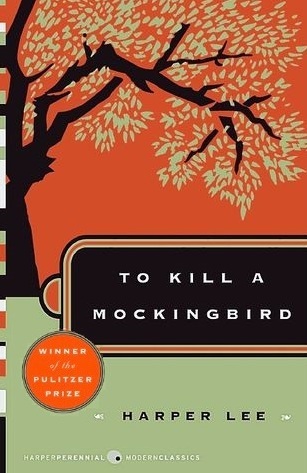
To Kill a Mockingbird #1
Title: To Kill a Mockingbird
Published: 1960
Table of Contents
Unveiling the Intricacies of Humanity in "To Kill a Mockingbird" by Harper Lee
An Introduction to the Timeless Classic
Widely regarded as one of the greatest pieces of American literature, To Kill a Mockingbird by Harper Lee delves into the complexities of human nature, societal norms, and the struggles of justice in a sleepy Southern town. First published on July 11, 1960, this timeless classic has captured the hearts of readers around the world, earning critical acclaim and accolades, including the Pulitzer Prize in 1961. Set against the backdrop of the Great Depression, this novel remains just as relevant today as it was over half a century ago.
Exploring the Characters
The characters in To Kill a Mockingbird are richly developed and leave a lasting impact on readers. From the curious and spirited Scout Finch to the wise and compassionate Atticus Finch, each character brings a unique perspective to the narrative. Other notable characters include Jem Finch, Arthur Radley (also known as Boo), Mayella Ewell, Aunt Alexandra, Bob Ewell, Calpurnia, Tom Robinson, Miss Maudie Atkinson, Judge John Taylor, Dill Harris, Heck Tate, and Stephanie Crawford. Together, these characters form a tapestry of emotions, beliefs, and moral dilemmas that drive the story forward.
A Detailed Summary of the Plot
Set in the fictional town of Maycomb, Alabama, during the 1930s, To Kill a Mockingbird follows the lives of the Finch family, particularly Scout and Jem, as they navigate the tumultuous waters of racial inequality and injustice. When their father, Atticus Finch, a respected lawyer, is tasked with defending Tom Robinson, a black man falsely accused of raping a white woman, the town's deep-seated prejudices come to the forefront. Through the eyes of Scout, the reader witnesses the harsh realities of bigotry, ignorance, and intolerance that pervade society.
As the trial unfolds, Atticus's unwavering commitment to justice and equality becomes a beacon of hope in a town plagued by hatred and fear. Despite facing backlash and threats from the townspeople, Atticus stands firm in his belief in the inherent goodness of humanity, even in the face of overwhelming adversity. Alongside the central trial, Scout and Jem grapple with their own coming-of-age challenges, learning valuable lessons about empathy, compassion, and the complexities of morality.
An Extensive Analysis of Themes and Symbolism
At its core, To Kill a Mockingbird is a poignant exploration of the duality of human nature. Through vivid storytelling and nuanced characterization, Harper Lee delves into themes of innocence and experience, kindness and cruelty, love and hatred, and humor and pathos. The title itself serves as a powerful metaphor, referencing the senseless destruction of innocence and beauty in the face of prejudice and ignorance. The mockingbird, a symbol of innocence and purity, becomes a poignant reminder of the fragility of goodness in a world plagued by darkness.
Moreover, the novel tackles profound societal issues, including racism, classism, and sexism, shedding light on the systemic injustices that permeate American history. By confronting these uncomfortable truths head-on, Harper Lee challenges readers to confront their own biases, prejudices, and preconceptions, urging them to strive for a more just and compassionate society.
Conclusion: A Timeless Masterpiece
To conclude, To Kill a Mockingbird stands as a timeless masterpiece that continues to resonate with readers of all ages and backgrounds. Through its compelling narrative, complex characters, and universal themes, Harper Lee's magnum opus transcends its Southern Gothic roots to become a powerful meditation on the human condition. Whether you're a seasoned literary enthusiast or a casual reader, this novel offers a thought-provoking and deeply moving exploration of the intricacies of humanity.
If you found this summary intriguing, I highly encourage you to delve into the complete book and experience the full impact of Harper Lee's storytelling. Whether in its original print form or through the immersive experience of an audiobook, To Kill a Mockingbird is a literary treasure that deserves a place on every bookshelf. Dive into the world of Maycomb and witness the enduring power of compassion, courage, and hope in the face of adversity.
Format: 323 pages, Paperback
Original Title: To Kill a Mockingbird
Edition: May 23, 2006 by Harper Perennial Modern Classics
Swallows and Amazons Summary of Arthur Ransome's Book

The Moon Is a Harsh Mistress Summary of Robert A. Heinlein's Book

Franny and Zooey Summary of J.D. Salinger's Book

Tales of Ordinary Madness Summary of Charles Bukowski's Book

At the Mountains of Madness and Other Tales of Terror Summary of H.P. Lovecraft's Book

The Lover Summary of Marguerite Duras's Book
Related Books