

Vingt-quatre heures de la vie d'une femme <div>Summary of Stefan Zweig's Book</div>
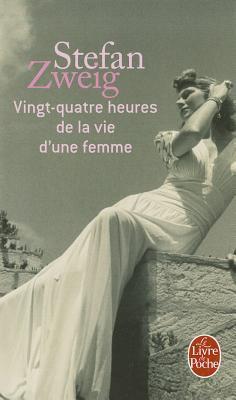
Title: Vingt-quatre heures de la vie d'une femme
Published: 1925
Table of Contents
Vingt-quatre heures de la vie d'une femme by Stefan Zweig: A Brief Overview
Vingt-quatre heures de la vie d'une femme, or Twenty-Four Hours in the Life of a Woman, is a captivating novella by the renowned Austrian writer Stefan Zweig. First published in 1925, this classic piece of fiction takes place in a respectable pension on the French Riviera at the turn of the 20th century. The story revolves around a scandal that unfolds when a woman named Mme Henriette, the wife of a guest at the pension, elopes with a young man she barely knew. The narrative, presented through the eyes of an unnamed narrator, delves into the complexities of human emotions and the consequences of impulsive actions.
Characters
The characters in Vingt-quatre heures de la vie d'une femme are vividly portrayed by Zweig, each contributing to the development of the narrative in unique ways.
- Mme Henriette: The central character whose sudden decision to run away with a young man shocks the guests at the pension.
- Unnamed Narrator: The protagonist of the story who sets out to unravel the mystery behind Mme Henriette's actions.
- Old English Lady: A distinguished elderly woman at the pension who offers unexpected insights into Mme Henriette's behavior.
Detailed Summary
The novella opens with the shocking elopement of Mme Henriette and a young man who had only spent a day at the pension. The guests at the establishment, including the narrator, are left bewildered by this scandalous turn of events. The narrator, intrigued by Mme Henriette's actions, embarks on a quest to understand the motivation behind her impulsive decision.
As the narrator delves deeper into Mme Henriette's past, he discovers a tale of repressed desires and unresolved emotions. Through conversations with the old English lady, he gains valuable insights into the inner workings of Mme Henriette's mind. The novella explores themes of passion, morality, and societal expectations, painting a poignant portrait of human nature.
Extensive Analysis
Zweig's Vingt-quatre heures de la vie d'une femme is a masterful exploration of human psychology and the complexities of desire. The author skillfully dissects the motivations behind Mme Henriette's actions, revealing the tumultuous emotions that drive individuals to make irrational choices. Through the character of the unnamed narrator, Zweig offers a poignant reflection on the fragility of human relationships and the consequences of unbridled passion.
The novella's brevity and intensity mirror Zweig's signature style, characterized by his ability to evoke profound emotions with elegant prose. The narrative unfolds with a sense of urgency, drawing the reader into a world of intrigue and moral ambiguity. Vingt-quatre heures de la vie d'une femme stands as a testament to Zweig's talent for crafting richly layered narratives that resonate with readers long after the final page.
Final thoughts
To conclude, Vingt-quatre heures de la vie d'une femme is a timeless classic that continues to captivate readers with its exploration of love, loss, and the enigmas of the human heart. Stefan Zweig's evocative storytelling and insightful character studies make this novella a must-read for fans of literary fiction. If you enjoyed this brief summary, I encourage you to delve into the complete book to experience the full depth and beauty of Zweig's prose.
Remember, if you prefer to listen to books, Vingt-quatre heures de la vie d'une femme is also available as an audiobook for your convenience. Happy reading!
Format: 158 pages, Mass Market Paperback
Original Title: Vierundzwanzig Stunden aus dem Leben einer Frau
Edition: May 1, 1992 by Le Livre de Poche
Swallows and Amazons Summary of Arthur Ransome's Book

The Moon Is a Harsh Mistress Summary of Robert A. Heinlein's Book

Franny and Zooey Summary of J.D. Salinger's Book

Tales of Ordinary Madness Summary of Charles Bukowski's Book

At the Mountains of Madness and Other Tales of Terror Summary of H.P. Lovecraft's Book

The Lover Summary of Marguerite Duras's Book
Related Books