

When Nietzsche Wept Summary of Irvin D. Yalom's Book
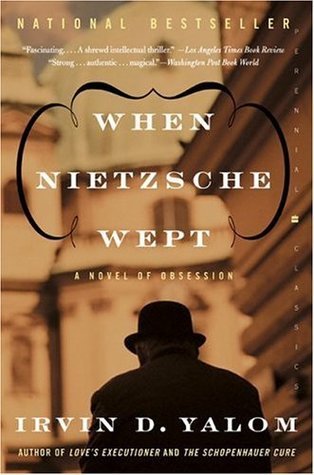
Title: When Nietzsche Wept
Published: 1992
Table of Contents
When Nietzsche Wept: A Tale of Love, Fate, and Will
When Nietzsche Wept, penned by Irvin D. Yalom and first published on January 1, 1992, is a captivating blend of psychology, fiction, and philosophy. Set in 19th-century Vienna, the story delves deep into the inner workings of the human mind, exploring the themes of love, fate, and will amidst the intellectual ferment of the era. The novel revolves around the lives of four central characters - Friedrich Nietzsche, Josef Breuer, Lou Andreas-Salomé, and Sigmund Freud. Through their interactions and experiences, Yalom weaves a tale that is as engaging as it is thought-provoking.
Character Analysis
Friedrich Nietzsche - Europe's greatest philosopher, Nietzsche is depicted in the novel as a man on the edge of despair. Plagued by physical ailments and existential crises, he seeks solace in the form of Josef Breuer's experimental "talking cure". Nietzsche's character is complex, filled with contradictions and inner turmoil, making him a fascinating subject for analysis.
Josef Breuer - One of the founding fathers of psychoanalysis, Breuer is at the height of his career when he encounters Nietzsche. Through their sessions together, he not only tries to help his patient but also confronts his own demons. Breuer's journey is one of self-discovery and redemption, as he grapples with his own inner conflicts while trying to aid Nietzsche.
Lou Andreas-Salomé - A close friend of Nietzsche, Lou plays a significant role in the story, providing emotional support and insight into the philosopher's mind. Her presence adds depth to the narrative, highlighting the complexity of relationships and the impact they can have on one's life.
Sigmund Freud - Although a minor character in the novel, Freud's appearance serves to further enrich the story. As a young psychiatrist, Freud crosses paths with Breuer and Nietzsche, offering a glimpse into the future of psychoanalysis and the profound influence it will have on the world.
Detailed Summary
In When Nietzsche Wept, Yalom masterfully intertwines fact and fiction to create a compelling narrative. The story begins with Nietzsche, struggling with his physical and mental health, seeking treatment from Breuer. Through their sessions, the two men engage in deep philosophical discussions, uncovering layers of emotional and psychological turmoil. Breuer, in turn, grapples with his own inner demons, finding solace in his interactions with Nietzsche.
As their relationship deepens, the boundaries between doctor and patient blur, leading to moments of vulnerability and introspection. Lou Andreas-Salomé's presence adds another dimension to the story, offering a unique perspective on the dynamics of friendship and love. As the characters navigate their personal struggles and existential crises, they form a bond that transcends time and space.
The narrative is rich in detail, painting a vivid picture of 19th-century Vienna and the intellectual landscape of the time. Yalom's prose is both lyrical and introspective, drawing the reader into a world of philosophical inquiry and emotional discovery. Through the intertwining journeys of Breuer, Nietzsche, Lou, and Freud, the novel explores the complexities of the human psyche and the transformative power of connection.
Analysis
At its core, When Nietzsche Wept is a story about the redemptive power of friendship and the healing potential of human connection. Yalom delves deep into the minds of his characters, exploring the depths of their struggles and the resilience of their spirits. Through Nietzsche and Breuer's relationship, he demonstrates the profound impact that empathy, understanding, and compassion can have on one's journey towards self-discovery.
The novel also delves into themes of existentialism, psychoanalysis, and the nature of human suffering. Through Nietzsche's philosophical musings and Breuer's therapeutic techniques, Yalom invites the reader to ponder the fundamental questions of life, death, and everything in between. The intricacies of mental health and the complexities of human emotion are portrayed with sensitivity and nuance, adding depth and richness to the narrative.
In When Nietzsche Wept, Yalom masterfully combines history with fiction, psychology with philosophy, creating a multi-layered narrative that resonates on multiple levels. The characters' struggles and triumphs are intertwined with broader themes of love, fate, and will, inviting the reader to reflect on the intricacies of the human experience.
Final thoughts
To conclude, When Nietzsche Wept is a masterful work of fiction that will linger in the reader's mind long after the final page is turned. Through the engaging narrative, rich character development, and thought-provoking themes, Yalom crafts a story that is at once captivating and profound. Whether you are a fan of psychology, philosophy, or historical fiction, this novel is sure to captivate and inspire.
If you enjoyed this summary, we encourage you to purchase the complete book to delve even deeper into the world of When Nietzsche Wept. Alternatively, consider listening to the audiobook for a unique and immersive experience. Happy reading!
9780060748128 (ISBN10: 0060748125)
Format: 310 pages, Paperback
Original Title: When Nietzsche Wept: A Novel of Obsession
Edition: January 1, 2003 by Harper Perennial
Peak Summary of Roland Smith's Book

Assassin's Quest Summary of Robin Hobb's Book

The Absolute Sandman, Volume 1 Summary of Neil Gaiman's Book

The Narrow Road to the Deep North Summary of Richard Flanagan's Book

The Girls in the Garden Summary of Lisa Jewell's Book

Boyfriend Material Summary of Alexis Hall's Book
Related Books