

Prince Caspian <div>Summary of C.S. Lewis's Book</div>
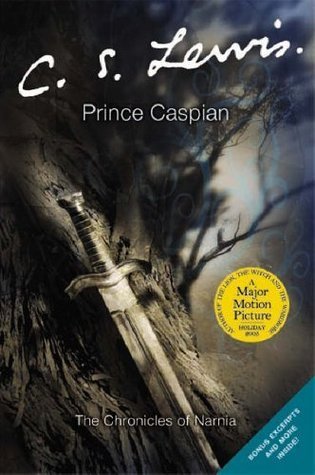
The Chronicles of Narnia (Publication Order) #2
Title: Prince Caspian
Published: 1951
Table of Contents
Exploring the Magical World of Narnia: A Summary of Prince Caspian by C.S. Lewis
C.S. Lewis’s enchanting tale, Prince Caspian, invites readers to return to the magical land of Narnia, where animals talk, trees walk, and exciting adventures await at every turn. First published on October 15, 1951, this classic fantasy novel is the second installment in The Chronicles of Narnia series and continues to captivate readers of all ages with its timeless story of bravery, loyalty, and the battle between good and evil.
Characters
The characters in Prince Caspian are richly drawn and play integral roles in the unfolding narrative:
- Aslan: The wise and powerful lion who serves as the true ruler of Narnia.
- Lucy Pevensie: The youngest of the Pevensie siblings, known for her kind heart and unwavering faith.
- Edmund Pevensie: The once traitorous brother who has redeemed himself and now fights for the side of good.
- Prince Caspian: The rightful heir to the throne of Narnia, determined to reclaim his kingdom from the usurper King Miraz.
- Trumpkin: A brave and loyal dwarf who aids Prince Caspian in his quest.
- Peter Pevensie: The eldest Pevensie sibling, a valiant warrior and leader among his peers.
- Susan Pevensie: The practical and graceful sister who also joins the fight for Narnia.
- Reepicheep: A chivalrous and adventurous mouse who proves to be a loyal companion.
- Bacchus (god): A figure from Roman mythology who makes a memorable appearance in the story.
- Silenus: A comical and wise old creature who accompanies Bacchus.
- Nikabrik: A treacherous dwarf who poses a threat to Prince Caspian’s cause.
- King Miraz: The antagonist of the novel, a ruthless ruler who seeks to maintain his grip on power.
- Dr. Cornelius: A loyal advisor to Prince Caspian who provides valuable guidance.
- Trufflehunter: A kind-hearted badger who joins the fight against King Miraz.
Detailed Summary
In Prince Caspian, readers are transported back to Narnia, where hundreds of years have passed since the reign of the Pevensie siblings. The land has fallen into darkness under the rule of King Miraz, who has suppressed the existence of mythical creatures and sought to erase the memory of Aslan, the rightful king of Narnia. However, a young prince named Caspian learns of his true heritage and decides to challenge King Miraz’s rule, setting in motion a thrilling adventure filled with daring escapes, fierce battles, and unexpected alliances.
As Prince Caspian leads a rebellion against King Miraz, he encounters the aid of the Pevensie siblings – Peter, Susan, Edmund, and Lucy – who have been summoned back to Narnia to help restore peace to the land. With the help of loyal creatures like Reepicheep the mouse, Trumpkin the dwarf, and Trufflehunter the badger, the group embarks on a perilous journey to join forces with Prince Caspian and fight for the future of Narnia.
Throughout their quest, the characters face numerous challenges and moral dilemmas, testing their courage and convictions. Aslan, the majestic lion who symbolizes wisdom and righteousness, appears to guide and encourage them, imparting valuable lessons along the way. With loyalty, sacrifice, and faith in each other, the companions ultimately triumph over adversity and restore peace to Narnia, fulfilling their destinies and cementing their places in its rich history.
Analysis
Prince Caspian is a compelling blend of fantasy, adventure, and moral allegory that showcases C.S. Lewis’s talent for crafting captivating storytelling with deeper philosophical themes. The novel explores the themes of faith, redemption, and the struggle between good and evil, inviting readers to reflect on the nature of power, leadership, and the importance of standing up for what is right.
Through the characters of Prince Caspian, the Pevensie siblings, and the various creatures of Narnia, Lewis conveys timeless lessons about courage, resilience, and the transformative power of belief. As the protagonists navigate treacherous landscapes, face formidable foes, and confront their own doubts and fears, they discover the strength within themselves and forge unbreakable bonds of friendship and loyalty.
Furthermore, the presence of Aslan as a guiding figure and symbol of divinity adds a spiritual dimension to the narrative, emphasizing the themes of divine providence, grace, and the ultimate triumph of good over evil. Aslan’s presence serves as a moral compass for the characters, encouraging them to remain steadfast in their principles and trust in the greater purpose at work in the world of Narnia.
Final thoughts
Prince Caspian is a timeless classic that continues to captivate readers with its imaginative world-building, rich character development, and powerful themes of bravery and justice. Whether you are a longtime fan of The Chronicles of Narnia series or a newcomer to the magical realm of Narnia, this enchanting tale is sure to leave a lasting impression on your heart and mind.
If you have enjoyed this summary of Prince Caspian by C.S. Lewis, we encourage you to delve into the complete book to experience the full depth and beauty of its narrative. You can also listen to the audiobook version to immerse yourself in the enchanting world of Narnia and rediscover the timeless magic of this beloved classic.
9780007202300 (ISBN10: 000720230X)
Format: 240 pages, Hardcover
Original Title: Prince Caspian
Edition: June 20, 2005 by HarperCollins Publishers
The Girl Who Circumnavigated Fairyland in a Ship of Her Own Making Summary of Catherynne M. Valente's Book

Old Yeller Summary of Fred Gipson's Book

Fire and Ice Summary of Erin Hunter's Book

The Changeling Summary of Zilpha Keatley Snyder's Book

The Giving Tree Summary of Shel Silverstein's Book

Caddie Woodlawn Summary of Carol Ryrie Brink's Book
Related Books