

The Abolition of Man <div>Summary of C.S. Lewis's Book</div>
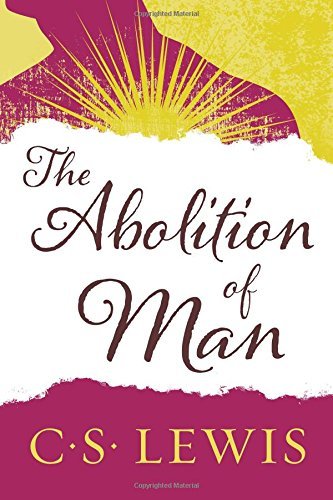
Title: The Abolition of Man
Published: 1943
Table of Contents
The Abolition of Man by C.S. Lewis: A Thought-Provoking Journey into Ethics and Morality
C.S. Lewis, widely known for his classic works of fantasy like The Chronicles of Narnia series, also delved into the realms of philosophy and Christian thought. One of his most renowned works in this genre is The Abolition of Man, a book that challenges conventional ideas about morality and education. First published on January 1, 1943, this nonfiction masterpiece remains relevant to this day, exploring the importance of teaching ethics alongside academics. In this comprehensive article, we will delve into the characters, summary, and analysis of this thought-provoking book to provide you with an in-depth understanding of its profound concepts.
Characters
While The Abolition of Man is not a narrative-driven book with traditional characters, C.S. Lewis himself can be seen as the central figure shaping the philosophical discourse within its pages. Drawing from his background as a prominent Christian apologist and scholar, Lewis utilizes his intellect and eloquence to challenge readers' perspectives on morality and human nature.
Detailed Summary
In The Abolition of Man, C.S. Lewis argues against a contemporary trend he perceives as the erosion of objective values and the reduction of human dignity. He critiques a textbook titled "The Green Book," which promotes a relativistic view of ethics and rejects the existence of universal truths. Lewis asserts that by denying fundamental values such as courage, honor, and love, individuals become detached from their moral compass, leading to a diminished humanity.
Through eloquent prose and persuasive arguments, Lewis emphasizes the importance of what he terms "the Tao," a universal moral law that transcends cultural boundaries and guides human conduct. He cautions against the dangers of scientific rationalism divorced from ethical principles, asserting that such a worldview leads to the dehumanization of society.
Extensive Analysis
Lewis's critique of moral subjectivism and the implications of a society devoid of ethical absolutes resonates with contemporary debates on moral relativism and cultural diversity. His insights into the intersection of reason, emotion, and morality challenge readers to reconsider their assumptions about human nature and the foundations of ethics.
By engaging with classical philosophy, literature, and Christian theology, Lewis weaves a rich tapestry of ideas that invite readers to reflect on the enduring relevance of traditional virtues in a rapidly changing world. His blend of wit, wisdom, and profundity makes The Abolition of Man a timeless work that continues to inspire deep reflection and introspection.
Final thoughts
To conclude, C.S. Lewis's The Abolition of Man is a compelling exploration of ethics, morality, and the human condition. Through his incisive analysis and philosophical insights, Lewis challenges readers to confront fundamental questions about the nature of truth and goodness. If you are intrigued by thought-provoking discussions on ethics and education, this book is a must-read.
We encourage you to delve into the full text of The Abolition of Man to experience the depth and breadth of Lewis's intellectual prowess. Whether you prefer the printed copy or the audiobook, this profound work is sure to engage and enlighten you on matters of profound importance.
Remember, the journey into the realms of ethics and morality is ongoing, and C.S. Lewis's timeless wisdom is a guiding light in this quest for understanding the essence of being human.
Format: 113 pages, Paperback
Original Title: The Abolition of Man
Edition: April 7, 2015 by HarperOne
A Bride Most Begrudging Summary of Deeanne Gist's Book

I Kissed Dating Goodbye Summary of Joshua Harris's Book

The Imitation of Christ Summary of Thomas à Kempis's Book

Kisses from Katie Summary of Katie Davis Majors's Book

The Holy Bible: New American Standard Version, NASB Summary of Anonymous's Book

Secrets of a Prayer Warrior Summary of Derek Prince's Book
Related Books